Thinking about a move to Zionsville? If you are weighing neighborhoods, commute patterns, housing options, and everyday lifestyle all at once, it can be hard to know what daily life will actually feel like. This guide gives you a practical orientation to Zionsville so you can quickly understand what sets it apart, where it may fit your goals, and what to pay attention to before you move. Let’s dive in.
Why Zionsville stands out
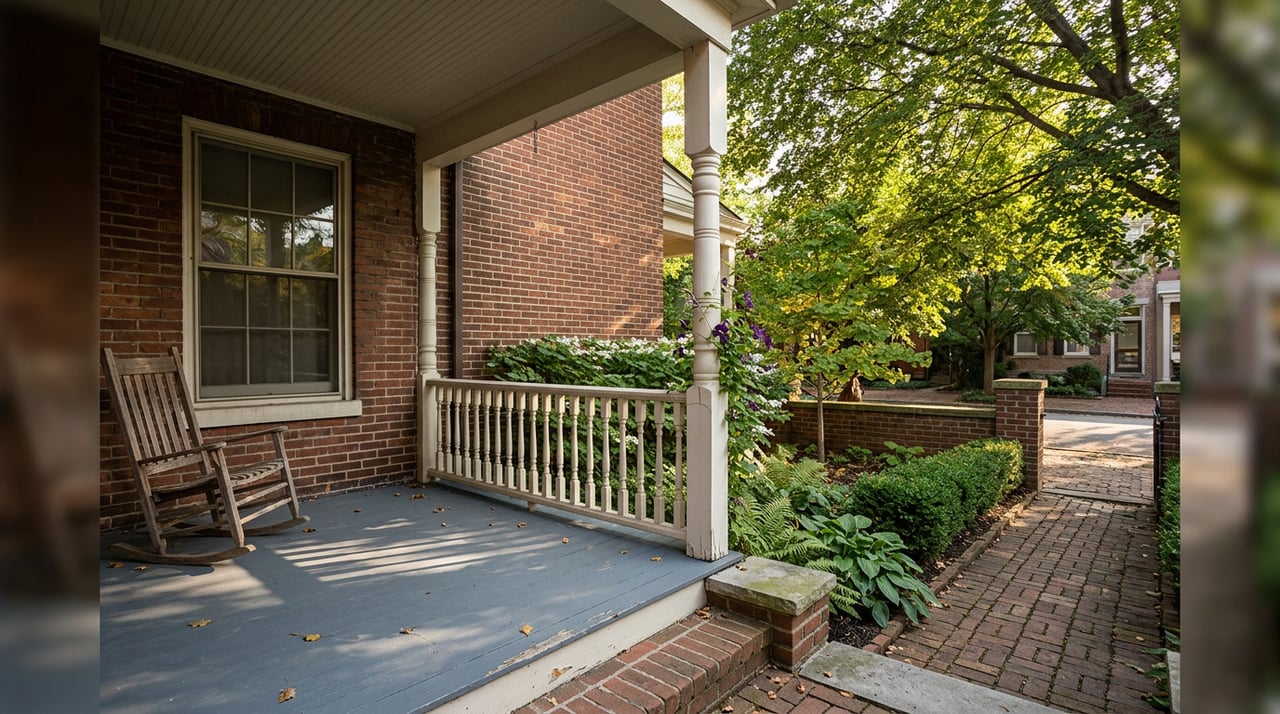
Zionsville has a distinct identity that feels different from many newer suburban communities. The town describes itself as a village-centered place with brick streets, locally owned shops and restaurants, and convenient access to Indianapolis, about 20 minutes to the south.
That matters if you want more than a place to sleep between workdays. In Zionsville, The Village is a real focal point for daily life, local events, and long-term planning, which gives the town a more defined center than many suburban markets.
What daily life feels like
Much of Zionsville’s rhythm centers around Main Street and The Village. The town’s farmers market runs on Main Street from mid-May through the end of October, and Lions Park, next to the village center, hosts many annual festivals.
The town also has a designated outdoor refreshment area in downtown during posted hours. Together, these features point to a downtown that stays active beyond business hours and gives residents a place to gather in a way that feels local and established.
Parks and trails shape the lifestyle
Zionsville’s appeal is not limited to its downtown core. The town reports more than 800 acres of parkland and more than 20 parks, including Heritage Trail Park, Mulberry Fields, Overley-Worman Park, and Carpenter Nature Preserve.
For many buyers, the trail network is just as important as the parks themselves. The Big-4 Rail Trail serves as a 5-mile central spine within a larger network of more than 20 miles of interconnected paved pathways, with trailheads at Zionsville Road, Nancy Burton, Town Hall, American Legion Trail Crossing, Carter Station, and Heritage Trail Park.
That network can make everyday routines easier and more enjoyable. Depending on where you live, you may be able to reach parks, recreation areas, or parts of town without always getting in the car.
Zionsville housing at a glance
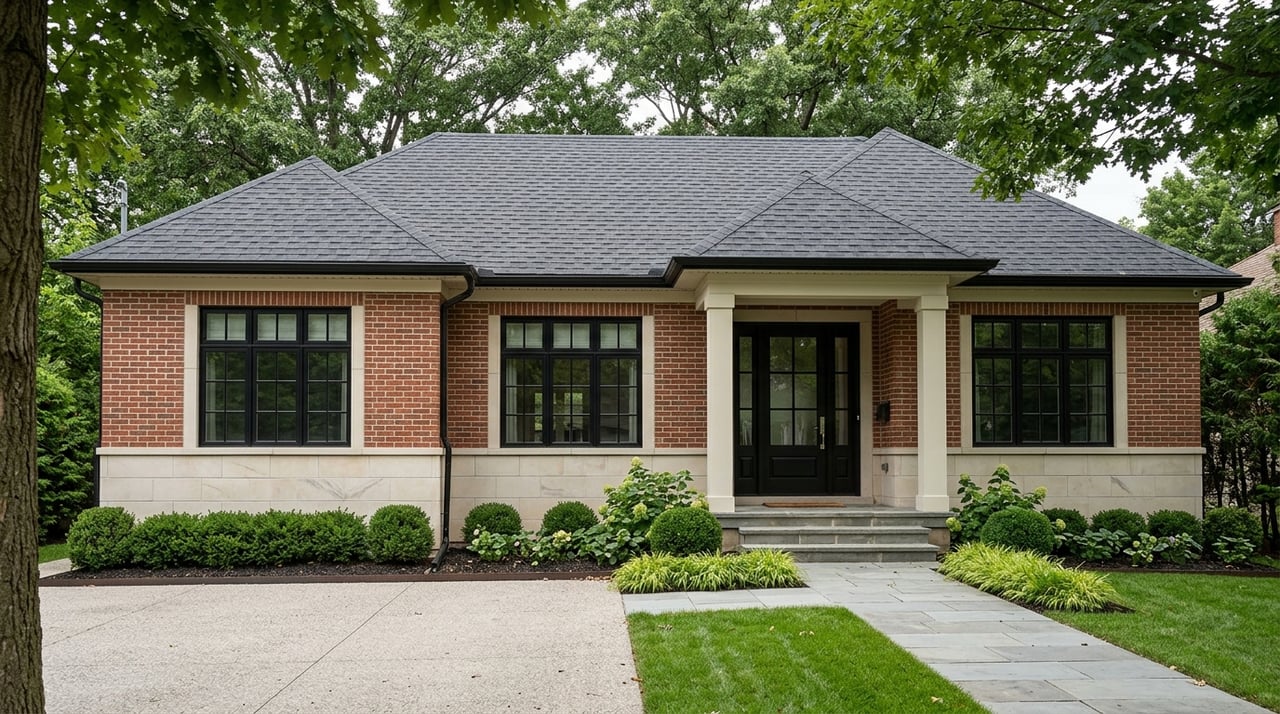
Zionsville offers a mix of older homes near the historic core and newer suburban development farther out. Town planning materials show that neighborhoods have expanded outward from The Village and historic downtown into Eagle Township and the rural service district, while the village core retains older housing forms such as bungalows and American Small Houses.
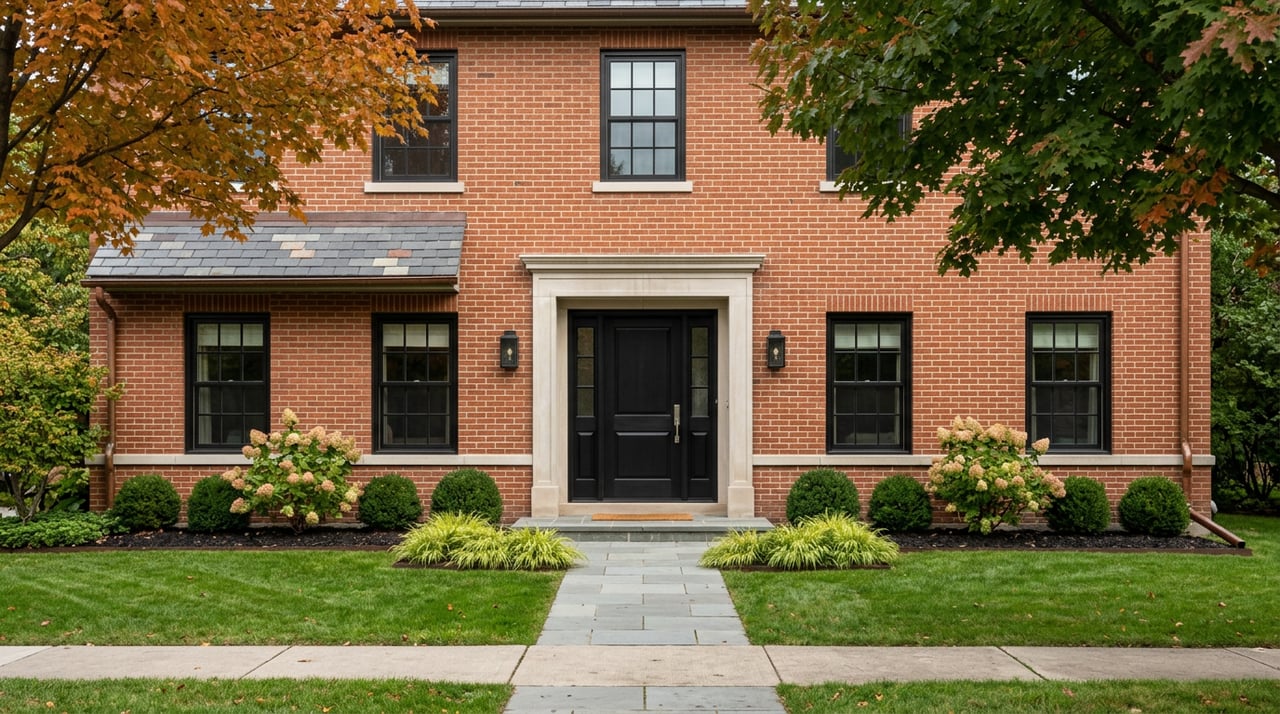
Newer single-family development is also part of the picture, especially along the US 421 corridor. That gives relocating buyers a wider range of home styles than you might expect if you only know Zionsville by its brick-street downtown.
What the market says
Zionsville sits in a premium price bracket within the north suburban market. Town comprehensive-plan materials cite an average home sale price of $585,178, while Redfin reports a median sale price of $774,536 in May 2026, with homes selling in about 20 days.
The broader housing profile also helps explain the market. According to town planning data, 45% of housing units were built since 2000, and 85% are owner-occupied.
For you as a relocating buyer, that usually means two things. First, the town has a strong ownership base. Second, you should be prepared for pricing that reflects Zionsville’s established identity, housing mix, and overall demand.
How Zionsville compares nearby
If you are deciding between Zionsville, Carmel, and Whitestown, it helps to think in terms of lifestyle and setting, not just price. These communities serve different priorities.
Zionsville vs. Carmel
Carmel tends to offer a more urban-suburban environment. Its planning and district materials point to a stronger city-center feel, with mixed-use areas, condos, apartments, and a dense concentration of retail and dining around City Center, Midtown, and the Arts & Design District.
Zionsville feels more village-centered and less urban in form. If you want a historic-feeling downtown and a more single-family-oriented setting, Zionsville may feel more aligned.
Price is another clear difference. In the same May 2026 market snapshot, Carmel’s median sale price was $608,000, below Zionsville’s reported median of $774,536.
Zionsville vs. Whitestown
Whitestown presents a different kind of value. The town emphasizes direct I-65 access, newer infrastructure, a broad range of housing options, and a growth-focused community profile.
Zionsville, by contrast, is more established and more centered on its historic core. If your priority is a newer-community feel and interstate convenience, Whitestown may be the better fit. If you want a stronger sense of place and a more mature village identity, Zionsville may stand out.
Whitestown is also priced lower in the same May 2026 comparison, with a median sale price of $379,673. That makes it a very different market position from Zionsville.
Commute and access considerations
Commute planning is one of the most important practical steps when relocating to Zionsville. While the town is close to Indianapolis, day-to-day mobility is still shaped largely by road access.
Town directions route drivers from I-65 through Exit 130 and SR 334/Oak Street, and local transportation planning continues to focus on road rehabilitation, preservation, and corridor improvements. The Main Street Momentum project is intended to improve traffic flow, pedestrian safety, and access to the historic Village.
According to the town’s March 2026 project release, design is expected to finish in summer 2026, with construction expected in 2027. If you commute frequently, it is smart to look closely at likely drive routes and timing before choosing a specific part of town.
Neighborhood patterns to understand
One of the most useful ways to think about Zionsville is by how it has grown. The Village and historic downtown represent the older core, while newer neighborhoods extend farther outward.
That means your experience can vary depending on where you land. Some areas will feel more connected to Main Street and the historic center, while others may offer newer construction, larger suburban layouts, or easier access to major routes.
This is why a map search alone is not enough. When you relocate, it helps to evaluate how your preferred home style, daily routine, and commute line up with Zionsville’s layout.
Who Zionsville fits best
Zionsville can be a strong match if you want:
- A premium single-family housing market
- A town with a recognizable historic center
- Access to extensive parks and paved trails
- A daily lifestyle that can revolve around Main Street and local amenities
- A suburban setting with a distinct local identity
It may be less ideal if your top priority is the most direct interstate access or a denser mixed-use environment with more urban-style housing choices. In those cases, another nearby market may deserve a closer look.
A practical relocation checklist
If you are considering a move to Zionsville, focus on these basics early:
- Compare housing style preferences between the historic core and newer areas
- Review likely commute routes and drive times at the hours you would actually travel
- Explore The Village, Main Street, and nearby parks to see how the town feels in person
- Check access to the Big-4 Rail Trail and the broader paved path network
- Set expectations around pricing in a premium market segment
- Compare Zionsville with Carmel and Whitestown based on lifestyle, not just search filters
A relocation decision is easier when you understand both the look of a place and the way it functions day to day. Zionsville offers a strong sense of place, but the right fit depends on how you want to live once the move is over.
If you are planning a move and want clear, local guidance on Zionsville and the north suburban market, Kelly Todd can help you narrow your options and move forward with confidence.
FAQs
What is daily life like in Zionsville, Indiana?
- Daily life in Zionsville often centers on The Village, Main Street events, local shops and restaurants, the farmers market, nearby parks, and the town’s paved trail network.
How expensive is the Zionsville housing market?
- Zionsville is positioned as a premium market, with Redfin reporting a median sale price of $774,536 in May 2026 and town materials citing an average sale price of $585,178.
How does Zionsville compare with Carmel, Indiana?
- Zionsville is generally more village-centered and more single-family-oriented, while Carmel offers a more urban-suburban environment with a stronger mixed-use core and more housing types such as condos and apartments.
How does Zionsville compare with Whitestown, Indiana?
- Zionsville is more established and centered on a historic downtown, while Whitestown emphasizes newer infrastructure, direct I-65 access, and a growth-oriented community profile.
Is Zionsville convenient for commuting to Indianapolis?
- Zionsville is about 20 minutes north of Indianapolis according to the town, but most regional commuting still depends on road access, so route planning is important.
What should relocating buyers know before moving to Zionsville?
- Relocating buyers should pay close attention to housing location, commute routes, access to The Village and trails, and current transportation improvements, including the Main Street Momentum project timeline.