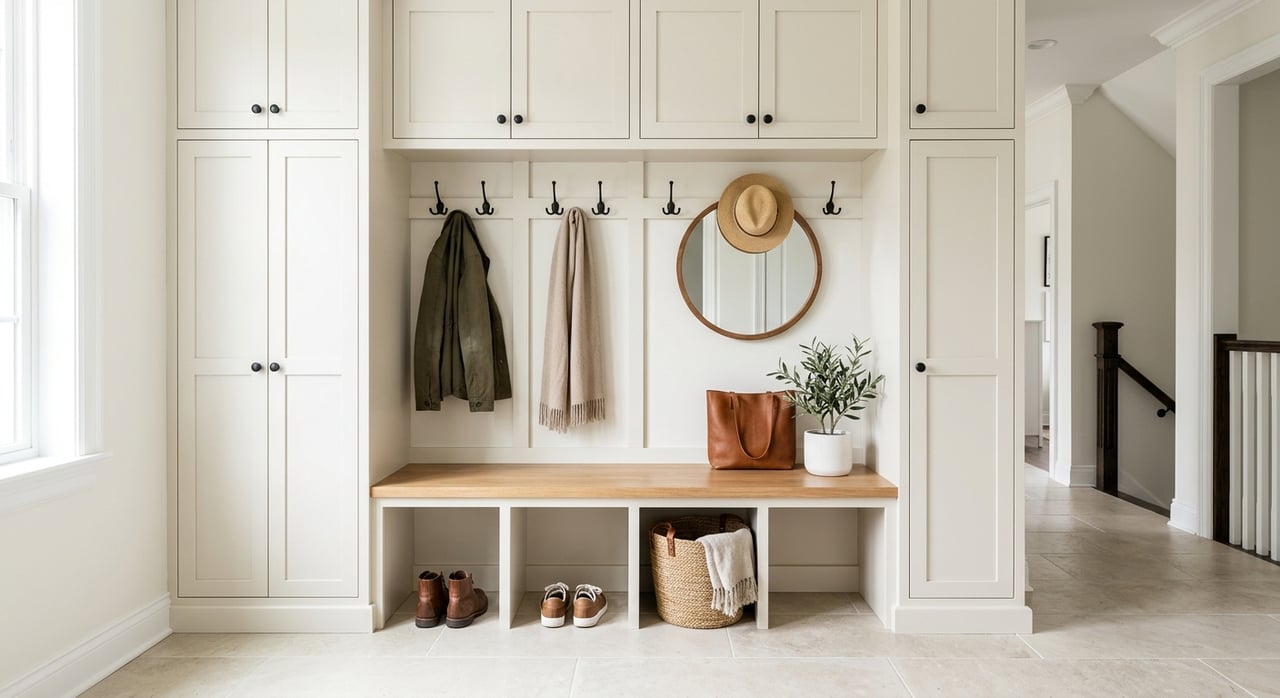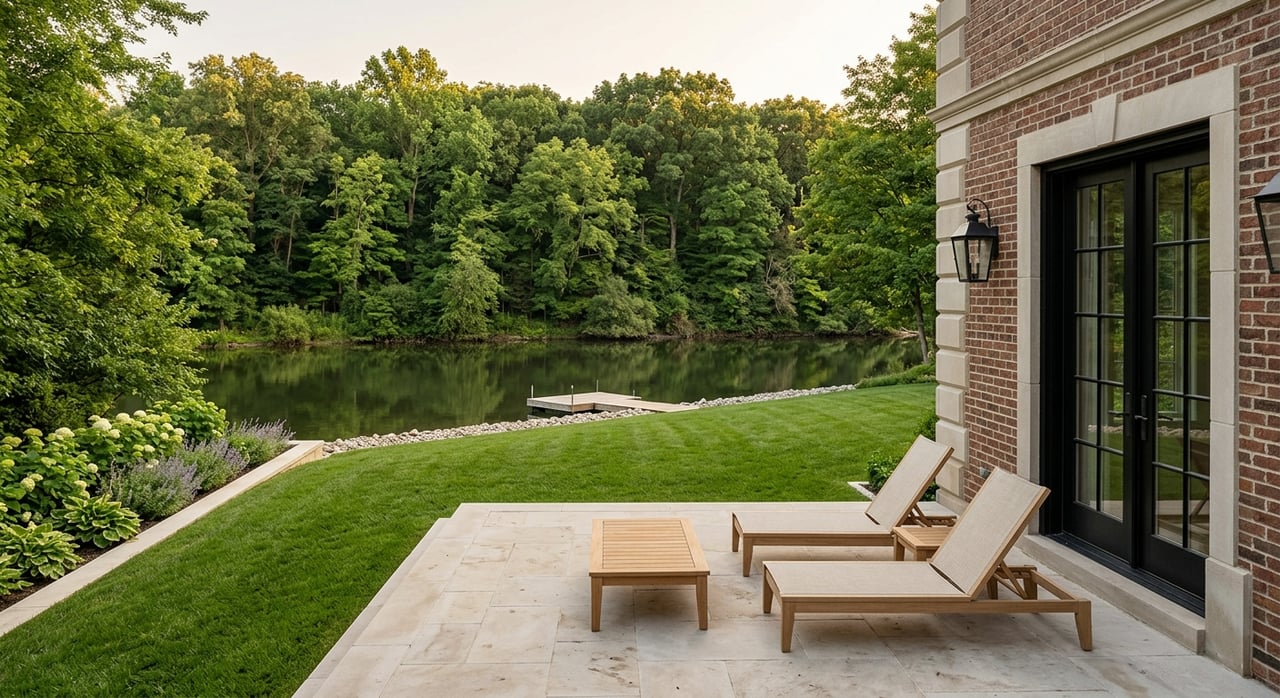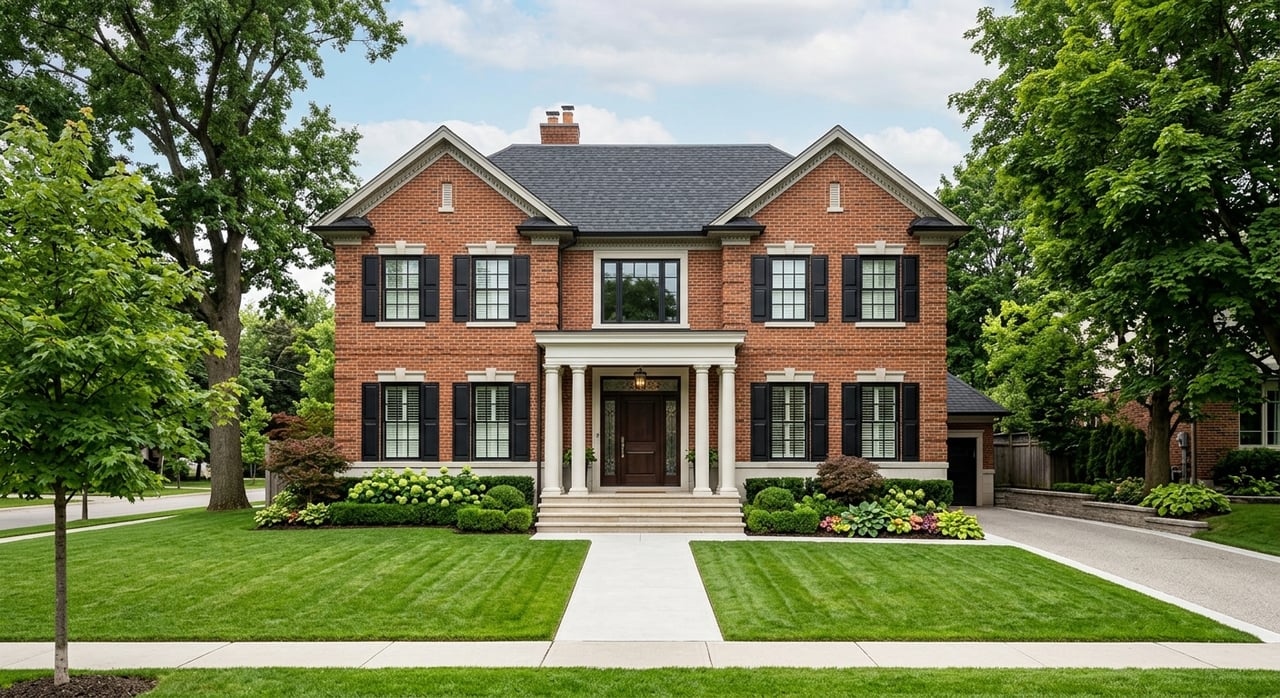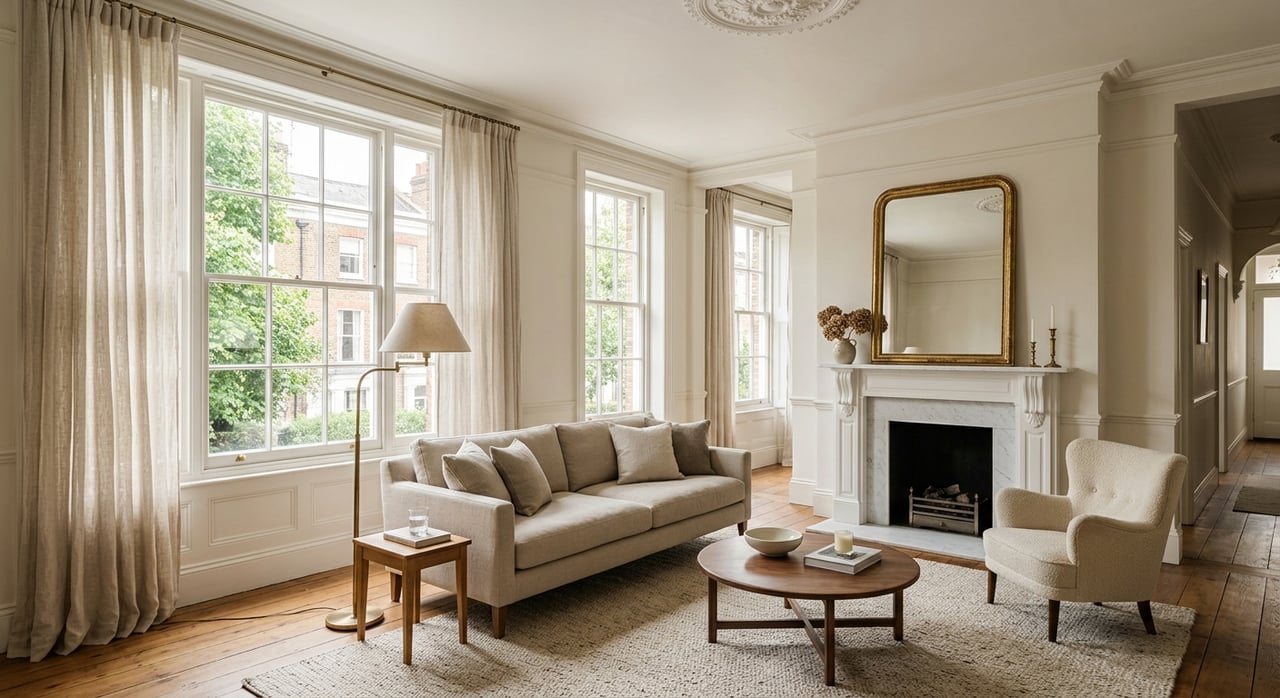
If you are selling a historic home in Old Northside, you face a different kind of staging challenge. You want buyers to feel the comfort and function they expect today, but you also do not want to cover up the craftsmanship that makes your home special in the first place. The good news is that thoughtful staging can help you do both, and it often has a real impact on how buyers respond. Let’s dive in.
Why staging matters in Old Northside
Old Northside is one of Indianapolis’ best-known historic districts, with roots tied to many of the city’s social, political, commercial, and industrial leaders in the late 19th and early 20th centuries. It was listed in the National Register of Historic Places in 1978, which speaks to the architectural and cultural value buyers see here today.
That context matters when you prepare a home for sale. In a neighborhood where historic character is part of the appeal, staging is not just about decorating. It is about helping buyers notice original details, understand how the home lives now, and picture themselves in it.
National data supports that approach. In the 2025 Profile of Home Staging, 83% of buyers’ agents said staging made it easier for buyers to visualize a property as a future home, and 60% said staging affected most buyers’ view of the home most of the time.
Start by showcasing original character
In a historic home, your biggest asset is often already there. Original floors, trim, staircases, fireplaces, built-ins, and masonry can create the emotional connection that newer homes sometimes cannot match.
That is why the smartest staging plan usually begins with subtraction. Remove visual clutter, simplify furniture layouts, and make sure important architectural features stay visible from the moment a buyer walks in.
Federal rehabilitation guidance also supports a preserve-first mindset. Historic character, distinctive materials, finishes, and craftsmanship should be retained and preserved, and deteriorated features should be repaired rather than replaced when possible.
What today’s buyers want to see
Buyers may love historic charm, but they still want a home that feels usable, bright, and easy to enjoy. Your goal is to bridge that gap with presentation choices that feel current without fighting the house.
In most Old Northside homes, that means focusing on a few basics:
- Clean every space thoroughly
- Declutter shelves, counters, and walls
- Brighten rooms with lighting and open window treatments where appropriate
- Use neutral furnishings and accessories
- Arrange rooms to show clear purpose and easy flow
This kind of staging helps buyers focus on scale, light, and livability. It also keeps period details from getting lost in overly personal decor or heavy styling.
Stage the rooms buyers notice most
You do not always need to stage every room. According to the 2025 staging report, the living room, primary bedroom, and kitchen are the most important rooms to stage, with the dining room also a common priority.
That can be especially helpful in a historic property where budgets need to be used carefully. Instead of spreading effort across every corner of the house, focus first on the spaces that shape a buyer’s overall impression.
Living room
In many Old Northside homes, the living room carries some of the strongest architectural appeal. Tall windows, original woodwork, fireplaces, and built-ins can do a lot of the work for you if the room is not overcrowded.
Use a simple furniture plan that defines conversation space without blocking sightlines. If possible, orient the room to highlight a fireplace, mantel, or major window rather than a television.
Primary bedroom
Buyers want the primary bedroom to feel calm and comfortable. Keep bedding simple, reduce extra furniture, and create enough open space for the room to feel generous.
If the bedroom has unique trim, transom windows, or an original fireplace, let those details stand out. A restrained color palette often works best in older homes because it supports the architecture instead of competing with it.
Kitchen
Historic kitchens often need the most careful staging because buyers tend to judge function quickly. Clear counters, remove small appliances, and add just a few finishing touches so the space feels clean and workable.
If the kitchen has been updated, staging should reinforce that convenience while still connecting visually to the rest of the house. If it still has a more traditional layout, use lighting, organization, and minimal styling to help buyers see possibility rather than limitation.
Modernize without erasing history
One of the biggest mistakes in staging a historic home is trying to make it look too new. Buyers in Old Northside are often drawn to authenticity, so presentation should respect the home’s age and craftsmanship.
The National Park Service advises against changes that create a false sense of history by adding made-up historic details. It also supports updates that are compatible and limited enough to preserve character-defining materials, features, spaces, and spatial relationships.
In practical terms, that means you do not need to turn your home into a museum, and you do not need to strip away every original detail either. You want a presentation that feels fresh, honest, and in step with how people live now.
Smart updates before listing
If you are deciding where to spend money before going on the market, the best improvements are often the least flashy. In a historic Old Northside home, targeted updates can improve first impressions without diminishing character.
Often, the most effective pre-listing work includes:
- Paint touch-ups
- Careful interior repainting in neutral tones
- Floor refinishing
- Lighting updates
- Professional staging
- Landscape cleanup
- Deep cleaning and decluttering
- Targeted kitchen or bath refreshes
These improvements align well with a concierge-style pre-sale plan because they support buyer appeal while keeping original details intact.
Be careful with windows and exterior changes
Historic homes often raise practical questions, especially around windows and curb appeal. It is easy to assume that replacement is the answer, but that is not always the best move.
For windows, preservation guidance says repair should be the first option. Storm windows and weatherstripping can also improve performance in many cases without full replacement.
Exterior work also deserves extra care. The Old Northside Historic Area Plan emphasizes contemporary design that does not detract from historic fabric, with compatibility in form, texture, materials, color, scale, and relationship to surrounding buildings rather than imitation of old styles.
Before making exterior changes, sellers should confirm whether the property falls within a historic district using the city’s address-based lookup tool. That step can help you avoid investing in a change that may not fit local expectations.
Use photos and visual marketing well
Staging does not stop at the front door. Buyers often meet your home online first, and the 2025 staging report found that buyers’ agents most often considered photos, traditional physical staging, videos, and virtual tours important.
That matters in Old Northside because strong visual marketing can highlight the details that make one historic property stand apart from another. Good photography can capture natural light, room proportions, craftsmanship, and the connection between preserved character and updated living.
A well-staged home tends to photograph more clearly and consistently. That can help buyers engage with the listing before they ever schedule a showing.
Budget staging strategically
You do not need an unlimited budget to improve your presentation. The 2025 report found a median reported spend of $1,500 on professional staging, which gives sellers a useful benchmark as they plan.
In many cases, a focused budget works better than a broad one. If you put your money into the rooms buyers care about most, clean up deferred cosmetic issues, and invest in strong visuals, you may create a bigger impact than trying to redo everything at once.
For some sellers, a concierge-style program can also make that process easier. Compass Concierge fronts approved home-improvement services with zero due until closing, and covered categories include staging, flooring, painting, landscaping, cosmetic renovations, kitchen and bathroom improvements, deep cleaning, and decluttering.
For an Old Northside property, that kind of support can be especially useful when you want to make smart, preservation-sensitive updates without paying for every improvement upfront. The key is using those funds to enhance first impressions, not to erase what makes the home historic.
A staging plan that fits the neighborhood
Old Northside is not a market where one-size-fits-all staging works well. Buyers are often responding to both story and substance, which means your home needs to feel cared for, functional, and true to its architecture.
The best results usually come from a balanced plan. Preserve the details that define the home, simplify the presentation so those details can shine, and make selective updates that help buyers feel at home in the space today.
If you are preparing to sell a historic property in central Indianapolis, the right guidance can make those decisions much easier. The team at Kelly Todd can help you create a staging and pre-listing strategy that respects your home’s character while positioning it strongly for today’s market.
FAQs
What is the best staging approach for an Old Northside historic home?
- The safest approach is usually to clean, declutter, brighten, and neutralize the home while keeping original features like floors, trim, staircases, fireplaces, built-ins, and masonry visible and intact when they are in good condition.
Which rooms should sellers stage first in an Old Northside home?
- The top priority rooms are usually the living room, primary bedroom, and kitchen, with the dining room also often worth staging.
Should sellers replace old windows before listing a historic Old Northside property?
- Not always. Preservation guidance says repair should be the first option, and storm windows or weatherstripping may improve performance without full replacement.
Can you modernize a historic Old Northside home and still preserve its character?
- Yes. Updates can be compatible and selective as long as they preserve the home’s character-defining materials, features, spaces, and spatial relationships.
How can Compass Concierge help with staging an Old Northside listing?
- Compass Concierge can front approved services such as staging, painting, flooring, landscaping, deep cleaning, decluttering, and certain cosmetic improvements, with payment due at closing rather than upfront.