Trying to buy your next home in Meridian-Kessler before you sell your current one can feel like a high-wire act. You want the right house without rushing your sale, but you also do not want to carry unnecessary risk or miss a great opportunity. With the right financing, preparation, and timing, this move can be much more manageable. Let’s dive in.
Why timing matters in Meridian-Kessler
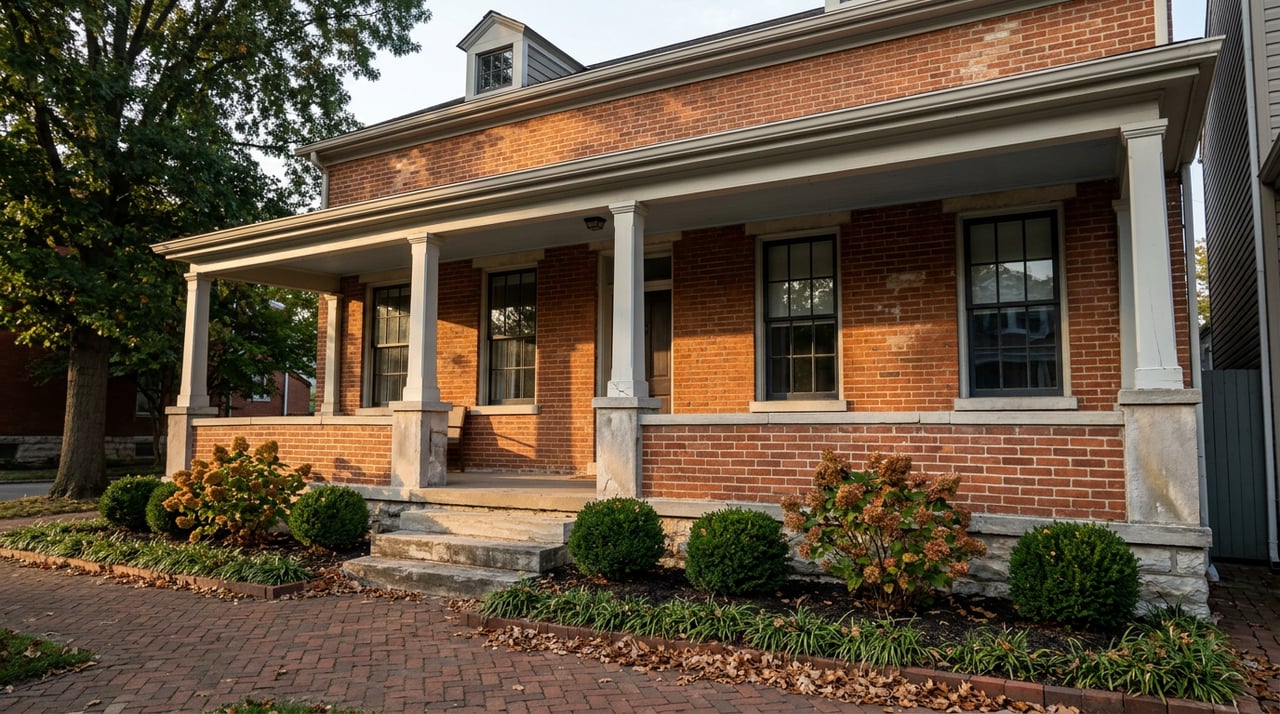
Meridian-Kessler is one of Indianapolis’s most established neighborhoods, with historic boundaries from 38th Street to Kessler Boulevard and Meridian Street to the Monon Trail. According to the Meridian-Kessler Neighborhood Association, the area includes more than 6,000 homes and more than 18,000 residents, with a housing mix that reflects strong early-20th-century architecture.
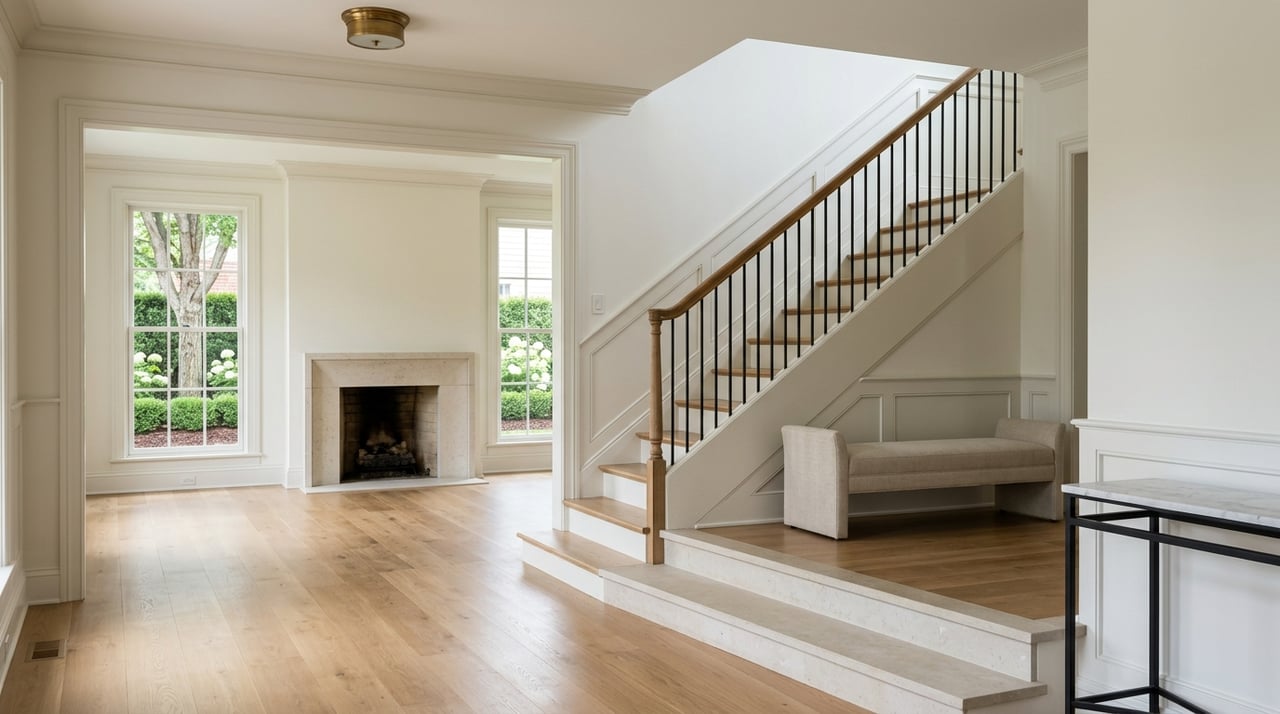
That character is a major part of the neighborhood’s appeal, but it also means every move tends to involve more planning. Many homes have distinct layouts, older systems, and architectural details that can affect pricing, prep work, and buyer expectations.
Recent market snapshots show a neighborhood that is active, but not instant. Redfin’s Meridian-Kessler housing market data reported a March 2026 median sale price of $482,500 and 54 days on market, while Realtor.com’s December 2025 overview noted 57 homes for sale, a 100% sale-to-list ratio, and a 77-day median days on market. In other words, homes are moving, but not so quickly that you should assume you can buy now and sort out your sale later.
What buying before selling really means
In simple terms, buying before selling means you purchase your next home before your current one closes. That can give you more control over your move and help you avoid temporary housing, storage, or back-to-back closings.
The tradeoff is financial overlap. Depending on your financing and contract structure, you may need to qualify for the new home while still owning the old one, cover two housing payments for a period of time, or use equity from your current home to fund the next purchase.
Start with your financial picture
Before you tour homes or write offers, it helps to understand what your budget can realistically support. The CFPB recommends reviewing your income, debts, savings, and monthly housing costs, along with taxes, insurance, repairs, moving costs, and other ownership expenses. That step matters even more when you may briefly own two homes at once.
You should also plan for purchase-related cash needs upfront. The CFPB notes that closing costs typically run about 2% to 5% of the purchase price, which can add up quickly when you are coordinating a move, preparing your current home for market, and possibly handling repairs.
Financing options for moving first
Bridge loans
A bridge loan is often the most direct tool for buying before you sell. The CFPB says a temporary bridge loan is generally 12 months or less and can help finance the purchase of a new home when you plan to sell your current one within that period.
The advantage is flexibility. A bridge loan can help you make a stronger offer without waiting for your current home to close first.
The downside is carrying cost. You may need to handle two housing payments until your first property sells, so this option tends to work best when you have strong cash flow and a clear sale plan.
Home equity loan or HELOC
If you have substantial equity, a home equity loan or HELOC may help fund your down payment, closing costs, or short-term overlap. The CFPB explains that a home equity loan provides a lump sum, usually with a fixed rate, while a HELOC works as a revolving line of credit against available equity.
This can be a practical path if you want to keep your first mortgage in place and tap equity more selectively. Still, the CFPB warns that your home is collateral, so this approach works best when your budget can comfortably absorb the added payment.
Cash-out refinance
A cash-out refinance is another possible route, but usually a narrower one. The CFPB notes that this replaces your original mortgage rather than leaving it in place, and a higher-rate cash-out refinance can create much higher borrowing costs than a HELOC or home equity loan.
For many homeowners, that means a cash-out refinance is worth comparing, but not assuming is the default answer. It needs to be evaluated carefully in the context of your current rate, equity position, and timeline.
Offer strategies that can work
Home-sale contingency
The National Association of Realtors says a home-sale contingency gives you time to sell your current home before closing on the next one. This can reduce risk because you are not committing to the new purchase without a path to liquidate your current property.
The challenge is seller confidence. A contingent offer may feel less certain than a noncontingent one, especially if the seller has other options.
Home-close contingency
A home-close contingency is slightly different. NAR explains that it gives you time to close on your current home before purchasing the next one.
This can be helpful when your home is already under contract and your biggest concern is sequencing the closings. It may be more appealing than a broader home-sale contingency because the sale process is further along.
Hybrid strategies
Some buyers use a more flexible middle ground. NAR notes that sellers may continue to show the property after accepting a contingent offer, and a kick-out clause can allow them to move on if a stronger noncontingent offer appears.
That means the terms matter just as much as the contingency itself. Clear deadlines, continue-to-show language, and realistic expectations can make a contingent offer more workable for both sides.
How to strengthen your position
If you need to buy before you sell, your goal is to reduce uncertainty wherever possible. A few practical steps can help:
- Estimate your available equity before you shop seriously.
- Get pre-underwritten on the financing path you plan to use.
- Understand your mortgage contingency and how it protects earnest money if financing changes.
- Prepare your current home for market before you make offers.
- Keep contingency timelines clear and realistic.
The CFPB advises buyers to review the mortgage contingency and earnest money protections carefully. That clause can be especially important if your financing depends on the sale timeline of your current home.
Prep your current home before shopping
One of the biggest mistakes homeowners make is starting the home search before their current property is truly ready. In Meridian-Kessler, that can create avoidable pressure because many homes are older and may benefit from repairs, updates, or a more thoughtful market launch.
A pre-listing inspection can be especially useful here. NAR says pre-listing inspections can help sellers identify issues early, address concerns in advance, and reduce the chance that a future buyer backs out during inspections.
This is also where a process-driven listing strategy matters. If your home needs cosmetic improvements or pre-sale work, a structured plan can help you decide what to do now, what to skip, and how to bring the property to market in a way that supports your timing goals.
A practical sequence for Meridian-Kessler sellers
For many homeowners, the most workable order of operations looks like this:
- Review your budget, reserves, debt, and monthly payment comfort.
- Estimate your equity and compare financing options.
- Inspect and prepare your current home for listing.
- Get financing lined up before you begin writing offers.
- Decide whether a bridge loan, HELOC, cash-out refinance, or contingency is the best fit.
- Launch your current home with a clear pricing and marketing plan.
- Shop for your next home with your timing strategy already in place.
This kind of sequencing is especially helpful in Meridian-Kessler because the market appears active but not instantaneous, and the housing stock often rewards thoughtful prep over last-minute decisions.
When buying first makes sense
Buying before selling is often a better fit when you have:
- Meaningful equity in your current home
- Stable income
- Manageable monthly debt
- Cash reserves for overlap and moving expenses
- A home that can be market-ready without major surprises
It may be a riskier path if your current home needs substantial work, if two payments would strain your finances, or if you would need to stretch into a noncontingent offer without enough financing protection.
The bottom line
If you want to buy in Meridian-Kessler before you sell, success usually comes down to planning, not luck. The right financing structure, a realistic offer strategy, and strong preparation of your current home can give you more options and less stress.
Because Meridian-Kessler homes often have unique architecture, older systems, and highly individual buyer appeal, the details matter. A thoughtful, neighborhood-specific plan can help you move with confidence instead of reacting under pressure.
If you are weighing the best way to time your move, Kelly Todd can help you map out a strategy for both the purchase and the sale, with a process designed to keep each step organized, informed, and aligned with your goals.
FAQs
What does buying before selling mean for Meridian-Kessler homeowners?
- It means purchasing your next home before your current home closes, usually by using a bridge loan, equity-based financing, or a contingency strategy to manage the overlap.
What financing options can help you buy before selling in Meridian-Kessler?
- Common options include bridge loans, home equity loans, HELOCs, and in some cases cash-out refinancing, depending on your equity, monthly budget, and timing.
What is a home-sale contingency when buying a home in Meridian-Kessler?
- A home-sale contingency gives you time to sell your current home before completing the purchase of the next one.
Why should Meridian-Kessler sellers prepare their current home before shopping?
- Preparing early can reduce surprises, improve your launch timing, and make it easier to act quickly when the right next home becomes available.
Is buying before selling risky in Meridian-Kessler?
- It can be if you do not have enough equity, reserves, or payment flexibility, but with strong planning and the right structure, it can be a practical option.