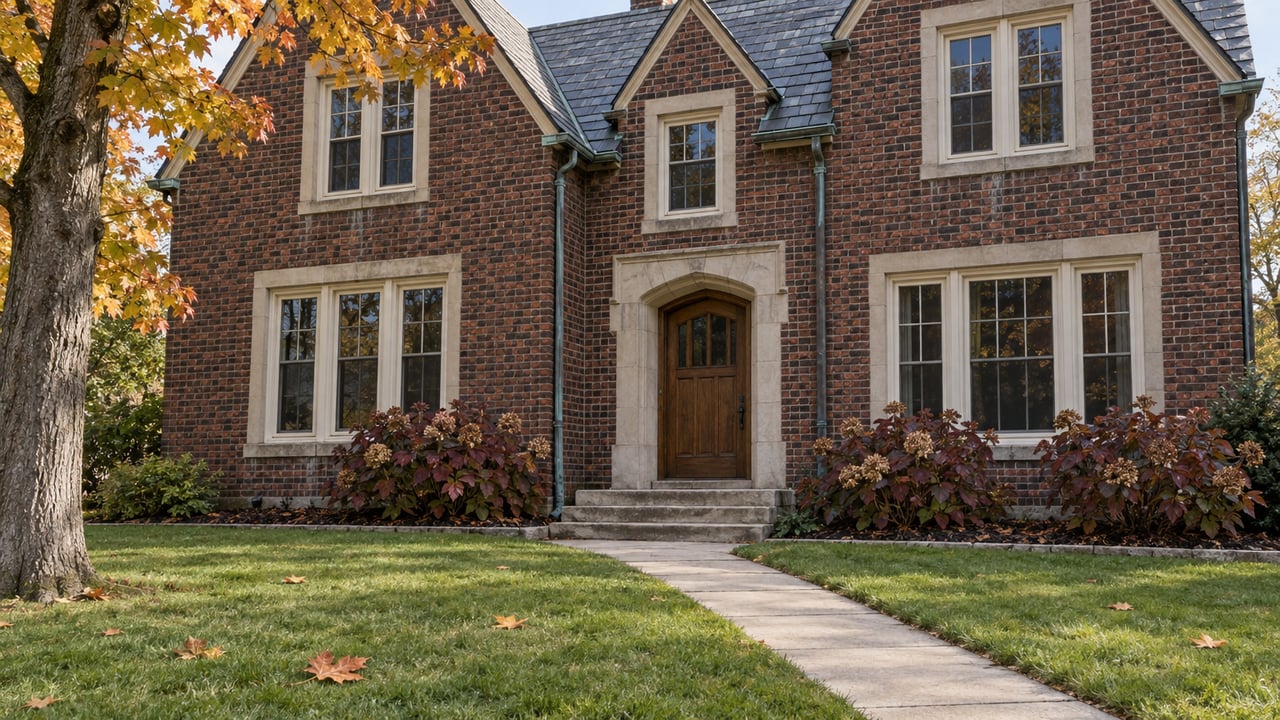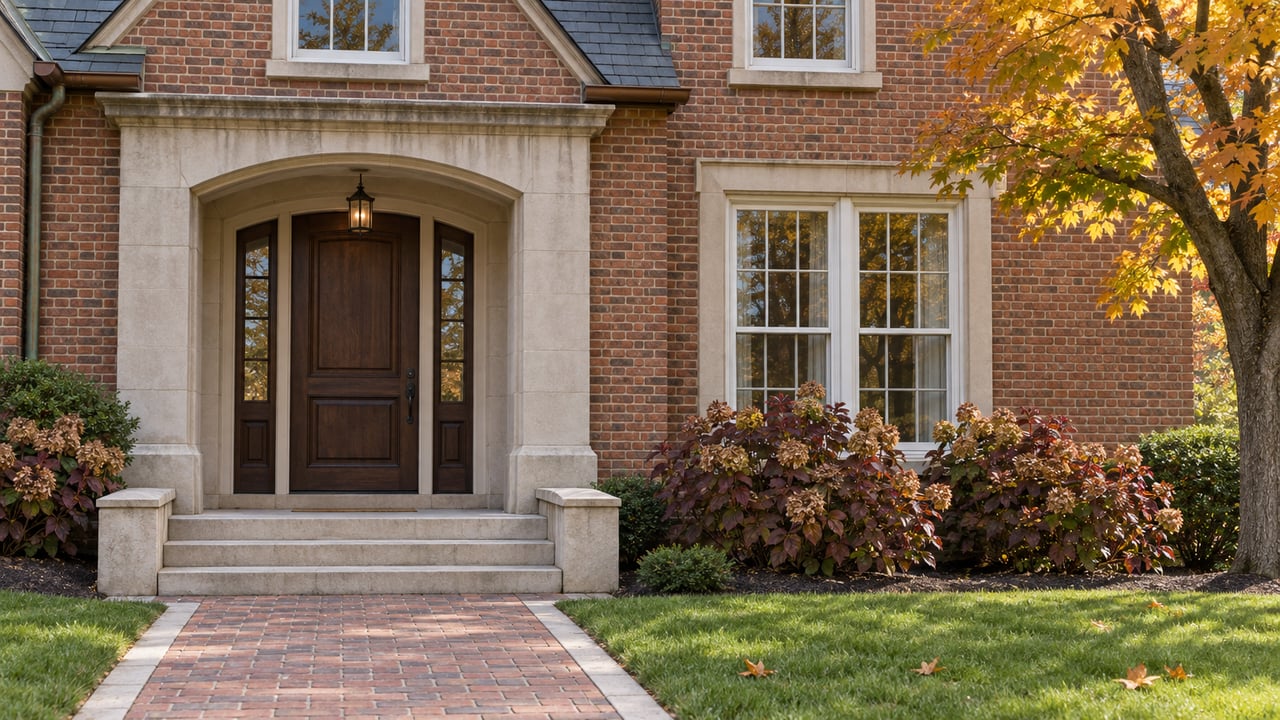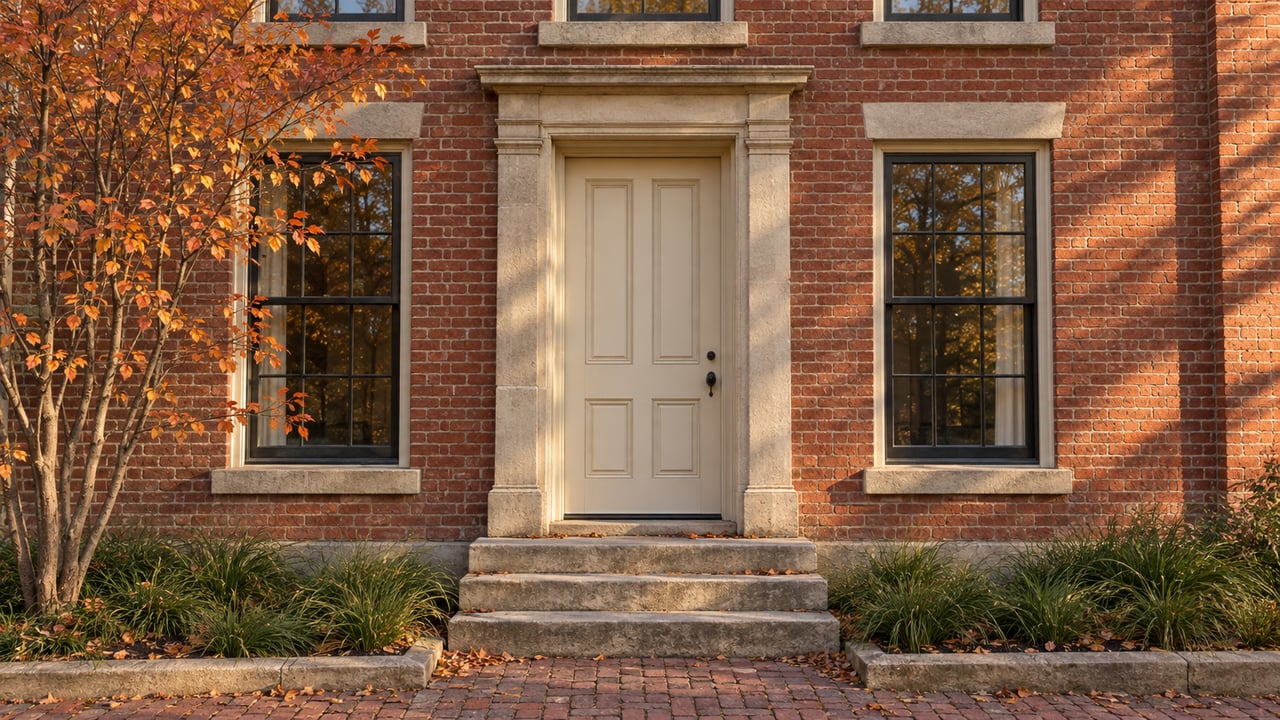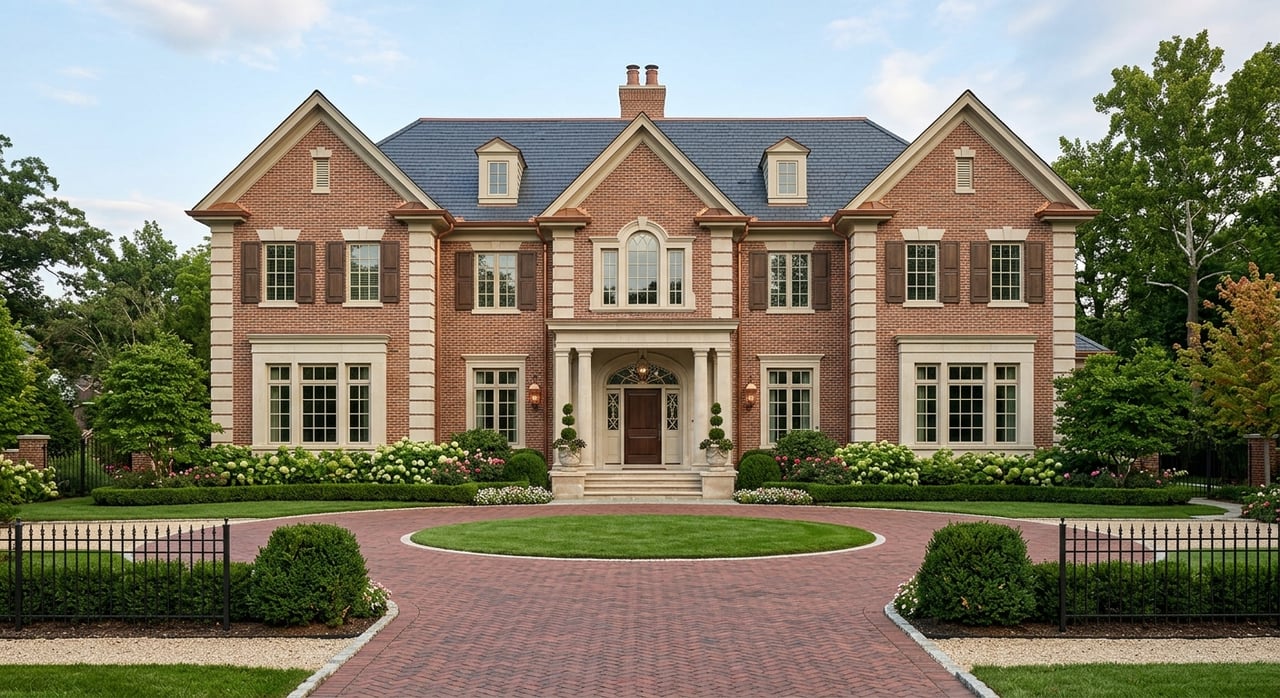
If you are thinking about selling in Meridian Hills or Williams Creek, one of the biggest mistakes you can make is treating your home like just another north-side listing. These are small, distinctive communities where a few sales can shift the market story fast. If you want to price well and launch at the right time, you need a neighborhood-level strategy grounded in current data and presentation. Let’s dive in.
Why micro-market pricing matters
Meridian Hills and Williams Creek are not large housing markets. Meridian Hills covers about 1.5 square miles with roughly 1,800 residents in 715 homes, while Williams Creek has about 413 residents and 163 homes. In places this small, a broad Indianapolis average can miss the mark because the true buyer pool and comparable sales set are much narrower.
That matters even more in upper-tier neighborhoods with large lots, distinctive architecture, and mature housing stock. A home’s setting, updates, layout, and condition can influence value far more than a metro-wide median price. In practical terms, you should start with the smallest credible set of comparable sales, then widen only if there are too few true matches.
What the current market says
The broader MIBOR market is still active, but it is not as forgiving as it was during the tightest pandemic-era stretch. In April 2026, the market showed 2.0 months of inventory, 13 days on market, and a 96.4% sale-price-to-list-price ratio. Inventory was also up 20% year over year in March 2026, which means sellers have more competition than they did when nearly any list price could attract quick attention.
For sellers, that creates a simple reality: your first price needs to be close to the market. Buyers are still moving, but they are less likely to overlook an ambitious asking price. In a market with more options, pricing discipline matters.
North-side data is not one-size-fits-all
Recent ZIP-level snapshots reinforce how uneven the market can be. In 46240, the latest dashboard showed 1.3 months of inventory, 6 days on market, a 97.9% sale-to-list ratio, and a median sale price of $326,500. In that same ZIP, inventory in the $350,000 to $499,000 range was down 56% year over year.
The 46260 snapshot showed a different picture, with 33 closed sales in December 2025, a median sale price of $295,000, a 95.3% leading-indicator sale-to-list ratio, and a three-week average listing price of $494,833. These numbers are useful context, but they are still only context. In Meridian Hills and Williams Creek, pricing from the micro-market is usually more accurate than relying on a single ZIP code or metro benchmark.
How to price a home correctly
A strong list price should reflect how buyers will compare your home in real time, not how the neighborhood felt a year ago. In small luxury-leaning markets, outdated expectations can lead to slower showings, longer market time, and price reductions that weaken negotiating power. The goal is to enter the market positioned to compete from day one.
Start with the narrowest comp set
Your best pricing foundation is the closest possible group of truly similar homes. That usually means homes in the same town or immediate area, with similar lot size, architectural style, square footage, level of updating, and overall condition. If there are not enough recent sales, then it makes sense to widen the search carefully.
That extra discipline matters in Meridian Hills and Williams Creek because a Tudor on a mature lot, a mid-century home with original finishes, and a fully updated traditional residence may all attract different buyers. Even when they are geographically close, they may not support the same price position. A precise comp set helps you avoid overpricing based on surface-level similarities.
Watch the key launch metrics
When setting a price, a few market signals deserve the most attention:
- Inventory tells you how much competition buyers have.
- New listings show whether more choices are entering the market.
- Closed sales help confirm actual demand.
- Sale price as a percent of list price shows how closely homes are trading to ask.
- Months of inventory indicates whether the market favors sellers, buyers, or balance.
- Days on market helps measure urgency and buyer response.
These metrics matter because they are tied directly to what happens after launch. If inventory is rising and sale-to-list ratios are softening, buyers often become more price-sensitive. If days on market are still low and inventory remains limited, well-positioned homes can move quickly.
Condition shapes price more than sellers think
In established neighborhoods with architecturally distinctive homes, buyers tend to notice condition quickly. They are often comparing not just location and size, but also finish quality, upkeep, and how much work the home appears to need after closing. That means visible wear can influence both perceived value and time on market.
Research on staging and remodeling points in the same direction. In the 2025 staging survey, 29% of agents said staging led to a 1% to 10% increase in the dollar value offered, and 49% said staging reduced time on market. The same survey found that 83% of buyers’ agents said staging helped buyers visualize the home as their future home.
Fix the obvious before launch
If your home needs visible repairs, deferred maintenance can become part of the pricing conversation whether you intend it to or not. Buyers may discount for paint, roofing concerns, worn finishes, or dated rooms more heavily than expected. In a premium neighborhood, many buyers are paying for both location and move-in readiness.
NAR’s 2025 Remodeling Impact Report also found that 46% of buyers are less willing to compromise on condition. It identified kitchen upgrades, new roofing, and bathroom renovations as areas of increased demand, while painting the entire home, painting one room, and new roofing were among the projects agents most often recommend before listing. That does not mean every seller should renovate extensively, but it does mean the obvious issues should be addressed before your home hits the market.
Presentation is part of pricing
Photography, staging, and launch quality are not separate from pricing strategy. They influence how buyers perceive value the moment your listing appears. If your home is priced at the top of its range, its presentation needs to support that position.
In communities like Meridian Hills and Williams Creek, where homes often sit on large lots and have distinctive design details, polished visual marketing can help buyers understand what makes a property special. Clean landscaping, staged main rooms, strong photography, and clear condition signals all support a stronger launch.
When to list in Meridian Hills and Williams Creek
Timing matters because buyers do not shop in a vacuum. They respond to seasonal patterns, personal schedules, and local calendars. If your goal is to capture strong attention, you want to be ready before the busiest window starts.
National market research points to late spring as the strongest selling period. One analysis found that May was the best month to sell, with homes listed in the last two weeks of May selling for about 1.6% more than average. Another found that late April is often the strongest timing, with late March through mid-May generally performing best.
Spring preparation beats spring panic
The practical lesson is simple: do not wait until the spring rush to get ready. If you want the benefits of spring demand, your repairs, staging, photography, and pricing work should already be done before that wave arrives. Waiting too long can mean entering the market after the strongest buyer attention has already started to shift.
For many sellers, the best plan is to begin preparation well in advance. That gives you time to make smart updates, refine presentation, and price from current data instead of rushing to market with unfinished decisions.
School calendar affects buyer timing
Washington Township’s calendar adds important local context. For the 2025 to 2026 school year, Spring Break runs March 30 through April 3, 2026, and the last student day is May 21, 2026. For the 2026 to 2027 school year, Spring Break runs March 29 through April 2, 2027, and the last student day is May 27, 2027.
For buyers planning a move around the school year, those dates can shape showing activity, contract timing, and moving plans. If your likely buyer is trying to be settled before summer, listing before or around that spring window can be especially helpful. In other words, local timing is not just about weather. It is also about how households plan their move.
A practical selling strategy
If you want to maximize both timing and price, the cleanest approach is usually straightforward. Prepare the home thoughtfully, launch with strong visuals, and base your price on the current micro-market rather than a broad or outdated benchmark. That process helps you attract serious buyers early, when interest is often strongest.
A smart seller plan often looks like this:
- Review the narrowest credible comparable sales.
- Assess condition honestly, especially visible repairs and dated finishes.
- Complete the most important pre-listing work.
- Stage the main living spaces.
- Invest in strong photography and marketing materials.
- Launch at a price that reflects current competition and buyer expectations.
For owners in Meridian Hills and Williams Creek, this approach is especially important because each listing can sit in a very small and highly specific market lane. Precision usually outperforms guesswork.
If you are weighing when to list or how to position your home, a neighborhood-specific plan can make the process feel much clearer. The right strategy is rarely about chasing the highest possible number on day one. It is about aligning price, condition, and timing so your home enters the market with confidence and earns the strongest response.
When you are ready for a thoughtful, high-touch selling plan in Meridian Hills or Williams Creek, Kelly Todd can help you evaluate timing, presentation, and pricing with a local, data-driven approach.
FAQs
How should you price a home in Meridian Hills or Williams Creek?
- You should start with the smallest credible set of comparable sales and adjust for lot quality, architecture, updates, and condition, since broad metro averages often miss the differences that matter in these small communities.
When is the best time to list a home in Meridian Hills or Williams Creek?
- Late March through mid-May is often the strongest selling window, but the best results usually come when your home is fully prepared before that period begins.
Does home condition affect sale price in Meridian Hills and Williams Creek?
- Yes. In higher-end neighborhoods with mature housing stock, visible condition, repairs, and finish quality can have a meaningful impact on both buyer interest and the price buyers are willing to offer.
Should you stage a home before selling in Meridian Hills or Williams Creek?
- Staging can help buyers visualize the home and may reduce time on market, especially when combined with strong photography and a polished launch.
Why is local timing important for sellers in Washington Township?
- Local timing matters because the Washington Township school calendar can influence when buyers schedule showings, write offers, and plan moves before summer.