Wondering whether a loft, condo, or townhome makes the most sense in Downtown Indy? If you are drawn to the energy of 46204, that choice can shape how you live day to day, from how much privacy you have to how often you deal with maintenance, parking, and building rules. The good news is that each option can work well in the right setting, and understanding the tradeoffs can help you buy with more confidence. Let’s dive in.
Why Downtown Indy Appeals
Downtown Indianapolis packs a lot into a relatively small footprint. Downtown Indy Alliance describes the downtown footprint as a little more than 1.3 square miles, with a broader Regional Center Boundary of about 6.3 square miles. Its 2025 dashboard reports 30,467 residents, 16,698 households, and 119,578 employees downtown.
That density supports a lifestyle many buyers want. Within a two-mile radius, downtown offers more than 350 restaurants, bars, and coffee shops, along with major public spaces like Monument Circle, Georgia Street, the Downtown Canal, Lugar Plaza, White River State Park, and the Indianapolis Cultural Trail. The Cultural Trail connects 10 miles and 6 cultural districts, while the Downtown Canal offers a 3-mile promenade with year-round access.
For buyers who want a car-light lifestyle, downtown is also practical. IndyGo identifies the Julia M. Carson Transit Center at 201 E. Washington St. as the downtown transit hub, and the Red Line runs through downtown every 15 minutes for 20 hours a day, seven days a week. At the same time, parking still matters, because downtown includes more than 73,000 parking spots and on-street meters cost $2 per hour with a 5-hour limit.
What a Loft Means
A loft is a layout style, not an ownership type. It is typically a single open space without interior walls separating the bedroom from the living area. Freddie Mac notes that lofts also tend to be larger than studios and usually have higher ceilings.
In real life, that often means more architectural character and more flexibility in how you arrange the space. If you like an open, urban feel and want room to personalize your layout, a loft can be very appealing. The tradeoff is usually less privacy and less sound separation than you would get in a more traditional floor plan.
In Downtown Indy, lofts often fit buyers who want to be close to work, events, dining, and public spaces with minimal friction in daily life. If your goal is to step outside and quickly connect to the Canal, Cultural Trail, transit, or downtown restaurants, a loft can line up well with that lifestyle.
What a Condo Means
A condo is about ownership. You own your individual unit within a larger residential development, and the property can take many forms, including a high-rise unit, a garden-style unit, or even a townhouse-style residence. Freddie Mac also notes that condos usually have a condo association or HOA that manages shared areas and enforces rules.
That makes condo living different from owning a detached house. Your ownership experience is shaped not only by the unit itself, but also by the association, the budget, the rules, and the overall condition of the building. For many buyers, that tradeoff is worthwhile because it can reduce the amount of exterior maintenance you handle on your own.
For downtown buyers, condos often offer one of the most straightforward paths to low-maintenance living in the center of the city. If you value convenience, common-area management, and a lock-and-leave setup, a condo may be the clearest fit.
What a Townhome Means
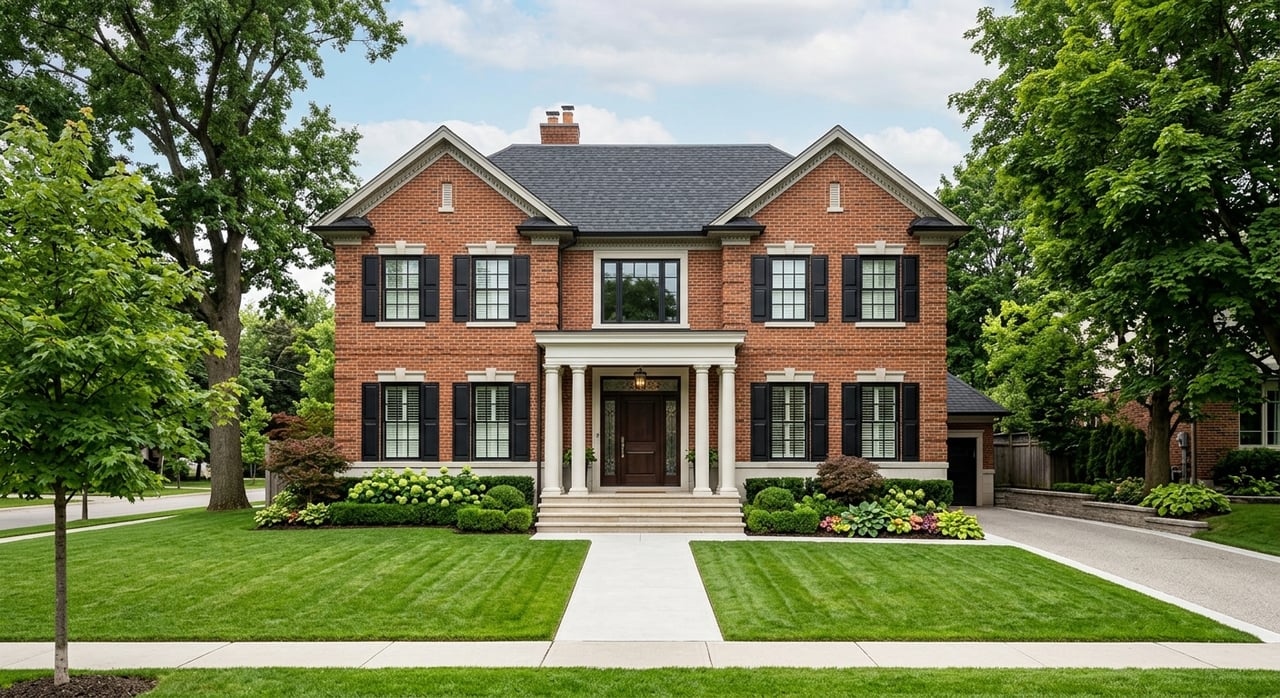
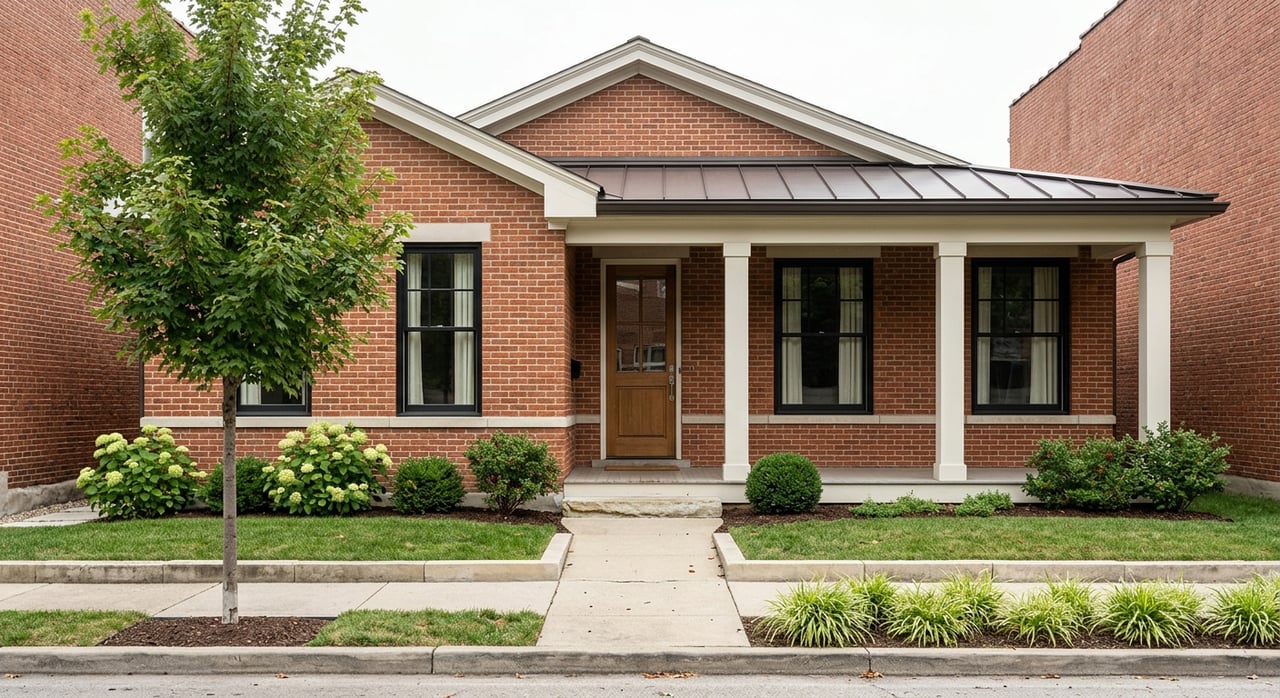
A townhome is a side-by-side home style with separate units that share a wall, and each unit has its own exterior door. Compared with a loft or a typical condo unit, a townhome often feels more like a house. That usually comes from the private entrance and the more separated, vertical layout.
That added separation can appeal to buyers who want a little more structure in their space. You may have living areas on one level and bedrooms on another, which can create a different rhythm than an open loft or a single-level condo. The exact ownership structure can still vary by project, so it is important to review the governing documents carefully.
In Downtown Indy, a townhome can be a strong middle-ground option. You may still get the benefit of an urban location while enjoying a layout that feels more private and more familiar to buyers moving from a traditional home.
How to Choose the Right Fit
The best choice usually comes down to how you want your home to function every day. A loft emphasizes openness and character. A condo often emphasizes convenience and shared maintenance. A townhome usually emphasizes separation, a private entrance, and a more house-like feel.
Here is a simple way to think about it:
- Choose a loft if you want open space, higher ceilings, and an urban aesthetic.
- Choose a condo if you want lower-maintenance ownership and are comfortable with association governance.
- Choose a townhome if you want downtown access with a layout that feels more like a traditional home.
For downsizers, the decision often comes down to simplicity versus space. A condo can cut back on exterior upkeep, a loft can bring a more visual and urban experience, and a townhome can offer a compromise between low-maintenance living and a house-like layout.
Parking Should Be Part of the Decision
In Downtown Indy, parking is not something to figure out later. Even with strong transit access and walkable amenities, your day-to-day convenience can depend heavily on whether your building includes parking and what type of parking it provides.
Public parking is widely available downtown, but costs and logistics vary. Downtown Indy Alliance lists more than 73,000 parking spots, and on-street meters are $2 per hour with a 5-hour limit. That is why it is important to verify whether a property includes deeded, assigned, or leased parking before you make an offer.
If you plan to drive regularly, this one detail can change how a home feels after closing. A great unit in the right location can still feel less convenient if parking is expensive, off-site, or inconsistent.
Understand Monthly Costs
A downtown purchase often comes with costs that look different from a detached home. If you buy in a condo community, HOA or condo dues are usually paid directly to the association and are not included in your mortgage payment. According to the Consumer Financial Protection Bureau, those dues can range from a few hundred dollars a month to more than $1,000 a month.
That means your true monthly budget needs to go beyond principal, interest, taxes, and insurance. You will want to understand what the dues cover, how often they can change, and whether the amount fits comfortably within your overall plan. For many buyers, dues are reasonable in exchange for convenience, but they should always be reviewed carefully.
Insurance also works differently in condo communities. The association dues usually include master insurance for common areas, but you still need insurance for your individual unit. Before closing, it is smart to confirm exactly what the association covers and what you will need to insure yourself.
Financing and Resale Matter Too
Not every building is equally easy to finance. HUD states that FHA condo loans are subject to project-level approval or single-unit approval requirements, including compliance with state law, insurance coverage, financial condition, title, and other factors that affect marketability. In practical terms, a building with solid documents and fewer project issues may offer a smoother financing path.
That can matter later when it is time to sell. If buyers have more financing options available in your building, resale can be more straightforward. This is one reason it helps to look beyond the finishes in the unit and pay attention to the health of the project as a whole.
The broader market also supports the appeal of walkable, lower-maintenance living. MIBOR’s June 2025 market report says walkable neighborhoods with mixed-use property types are becoming a consumer preference and a good investment for municipalities. The same report shows the regional condo segment is active, with a median sales price of $237,000 and condo inventory up 56.9% year over year in central Indiana.
What the Current Downtown Market Shows
If you are buying or selling in 46204, current market context matters. Realtor.com’s downtown summary shows 134 homes for sale, a median list price of $405,000, 88 median days on market, and a 96% sale-to-list ratio. Within the 46204 ZIP code, the median listing price is $389,000 with 60 homes for sale.
That data suggests buyers have options, but pricing and positioning still matter. It also means the right choice is not just about today’s lifestyle. It is also about how the property fits your budget, your ownership goals, and its likely appeal when you are ready to move again.
Downtown itself continues to benefit from investment in the public realm. Downtown Indy Alliance reports that its EED provides dedicated funding for safety, cleanliness, and outreach services, and its 2025 dashboard shows downtown violent crime down 7.7% and property crime down 9.7% from January through October 2025. For many buyers, that broader downtown momentum is part of the appeal.
A Simple Decision Framework
If you are still deciding, focus on the questions that affect your daily life most:
- Do you want an open floor plan or more room separation?
- How important is a private exterior entrance?
- Are monthly dues worth the maintenance tradeoff for you?
- Will you need deeded, assigned, or leased parking?
- Does the building appear financially stable and easy to finance?
- Are you buying mainly for lifestyle, resale, or both?
When you answer those clearly, the best fit often becomes obvious. A loft, condo, or townhome can all work well in Downtown Indy. The key is choosing the one that fits the way you actually want to live.
If you are weighing downtown options and want guidance tailored to your goals, Kelly Todd offers thoughtful, high-touch advice rooted in the Indianapolis market.
FAQs
What is the difference between a loft and a condo in Downtown Indy?
- A loft describes the layout, usually an open space with few or no interior walls, while a condo describes the ownership structure of an individual unit within a larger development.
Which downtown property type usually feels most like a house?
- A townhome usually feels most like a house because it typically has a private exterior entrance and a side-by-side layout with more vertical separation.
Are HOA dues included in a downtown mortgage payment?
- No. HOA or condo dues are usually paid directly to the association and are generally not included in the mortgage payment.
Does a Downtown Indy condo always include parking?
- No. Parking varies by building, so you should confirm whether a unit includes deeded, assigned, or leased parking before making an offer.
Is a loft always a condo in Indianapolis?
- No. Loft refers to the floor plan style, not the ownership type, so a loft can be a condo, a rental, or part of another project structure.
What should buyers review before purchasing a downtown condo?
- Buyers should review the association dues, what the dues cover, insurance responsibilities, parking arrangements, and the building’s project documents and financing considerations.