If you’ve ever wondered whether you can really live with less driving in Indianapolis, downtown is one of the few places where the answer can be yes. A car-light lifestyle is not the right fit for every household, but in 46204, many daily trips can be shorter, simpler, and easier to manage than you might expect. If you’re considering a condo, townhome, loft, or apartment in the city core, this guide will help you understand what everyday life can look like and what tradeoffs to plan for. Let’s dive in.
Why Downtown Indianapolis Supports Car-Light Living
Downtown Indianapolis has the kind of density and infrastructure that make a lower-car routine realistic. Downtown Indy Alliance reports a broader downtown regional center of about 6.3 square miles, with 30,467 residents, 16,698 households, 15,718 multi-family or apartment units, and 33 million pedestrian counts in 2025. In simple terms, that means more people, more housing, and more daily activity concentrated in one connected area.
That setup matters when you want to walk, bike, or use transit for everyday needs. Instead of planning your day around long drives, you may be able to string together errands, meals, workouts, and events within a compact part of the city. For many buyers and renters, that convenience is a major part of downtown’s appeal.
Cultural Trail Makes Daily Trips Easier
The Indianapolis Cultural Trail is the backbone of car-light mobility downtown. Official trail information describes it as a 10-mile route connecting six cultural districts in downtown Indianapolis. The route guide also uses a walking estimate of about 20 minutes per mile, which helps put downtown distances into real-world terms.
Several common trips are short enough to feel manageable on foot or by bike. Planning examples show City Market to Mass Ave at about 1.5 miles or 30 minutes, and the Convention Center to Fountain Square at about 1 mile or 20 minutes. When your destinations are connected this way, your routine can feel much more flexible.
The Cultural Trail also helps make downtown easier to understand. If you are new to the area, a clear and recognizable path system can make it simpler to navigate restaurants, entertainment, and daily errands. That kind of legibility is a real advantage when you want to rely less on your car.
Canal Adds Another Everyday Route
The Downtown Canal is more than a scenic backdrop. It is a 3-mile promenade that is free to use, open 24/7/365, and cleared of snow and ice during winter. It also allows power wheelchairs and e-bikes, though not motorized vehicles.
That gives downtown residents another dependable route for walking, biking, and casual recreation. In practical terms, the Canal can support both your routine and your free time. It can be part of your commute, your exercise plan, or a simple evening walk without needing to get in the car.
Transit and Bikeshare Fill the Gaps
Even in a walkable area, most people need backup options. Downtown Indianapolis has a few tools that can make short and mid-range trips easier when walking is not the best fit.
Pacers Bikeshare for Short Trips
Pacers Bikeshare is one of the most established downtown mobility options. Its official site says the system has more than 50 stations on or near the Cultural Trail and other bike infrastructure, and it operates 24 hours a day, 365 days a year. Bikes are returned to stations, which can make pickups and drop-offs more predictable.
For Marion County residents, IndyRides Free can make bikeshare even more practical. The program offers free 30-minute trips on classic bikes and e-bikes. If you want a car-light routine without owning a bike, that can be a useful option.
IndyGo Connects Downtown to More Places
The Julia M. Carson Transit Center at 201 E. Washington St. is IndyGo’s downtown hub. IndyGo describes it as the hub for public transit in Indianapolis, close to the center of downtown, the Cultural Trail, and the YMCA Bike Hub. That central location makes transit easier to weave into everyday life.
The Red Line is especially useful to know. IndyGo says the line runs 13 miles through the city, serves neighborhoods, employers, cultural institutions, restaurants, shopping, and entertainment, and operates every 15 to 20 minutes on weekdays and Saturdays. For some downtown residents, that kind of service can reduce how often a car feels necessary.
Scooters Work Best as a Backup
Shared e-scooters are still a familiar sight downtown, but they are best viewed as a supplement rather than the foundation of your routine. Local reporting has described scooters as a popular way to get around downtown while also noting that city rules and parking controls continue to evolve. That means scooters can be convenient for a quick last-mile trip, but they are not the most stable tool to build your whole routine around.
What Daily Errands Look Like
A car-light lifestyle works best when daily needs are close at hand. Downtown grocery shopping will usually feel different from a suburban big-box routine, but the options are there.
Downtown Indy’s grocery directory includes Whole Foods Market, Kroger, Needler’s Fresh Market, Walgreens, DGX, Abby’s Market, and other convenience stops. Whole Foods’ downtown store also offers grocery delivery and pickup, which can be especially helpful when you are reducing car use. That mix gives you a blend of full grocery runs, quick pantry stops, and everyday basics.
Indianapolis City Market adds another layer to downtown convenience. Downtown Indy describes it as a renovated historic public market with more than 30 merchants, plus a Wednesday outdoor farmers market from May through October. For many residents, that means lunch, specialty items, gifts, and some grocery-style shopping can happen in one outing.
Entertainment Is Close Together
One of the biggest perks of living downtown is that entertainment is concentrated rather than spread out. Visit Indy says downtown has more than 300 diverse restaurants. Its downtown dining page also notes that skywalks and the Cultural Trail make it easier to walk to hundreds of restaurants in all seasons.
The Downtown Canal adds another dimension to that lifestyle. It offers public art, free programming, paddleboats, kayak rentals, and waterside dining. Instead of planning a drive for every dinner or weekend activity, you may be able to step outside and choose from several options within a short walk or ride.
That density can change how you use your time. You may find yourself making more spontaneous plans because getting there feels easy. For many downtown buyers, that is one of the strongest lifestyle advantages.
Homes That Fit a Car-Light Routine
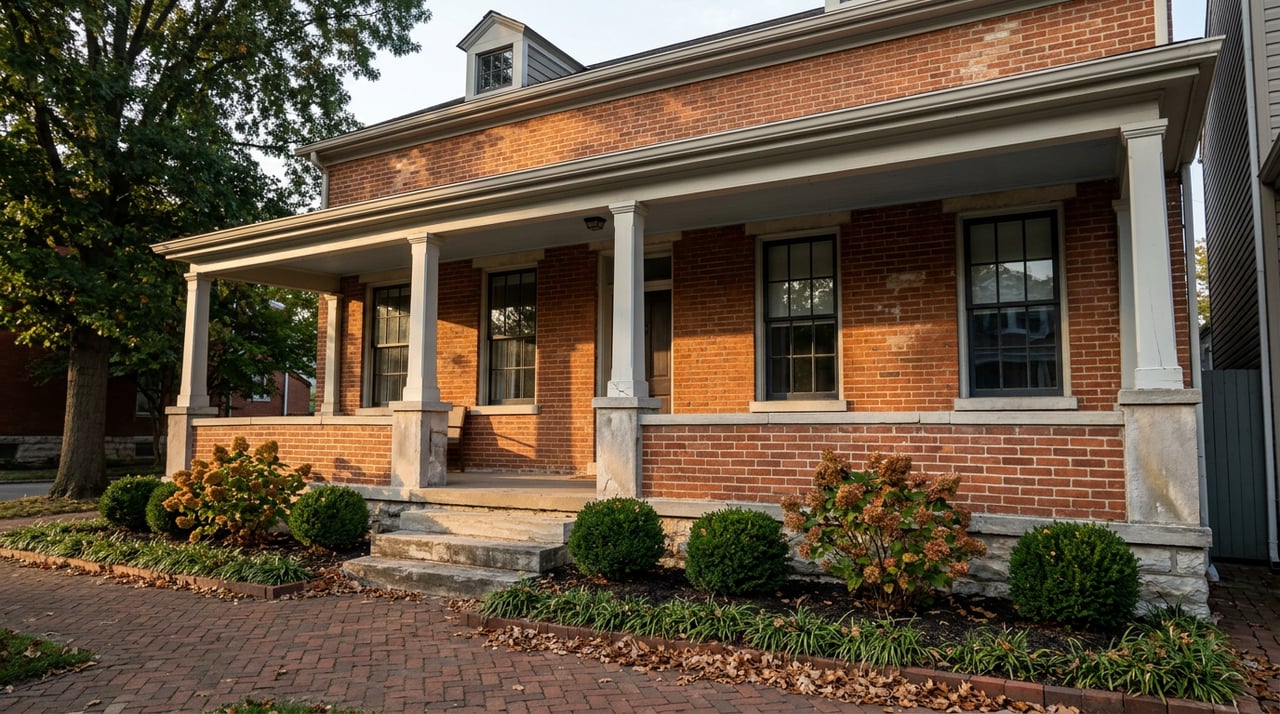
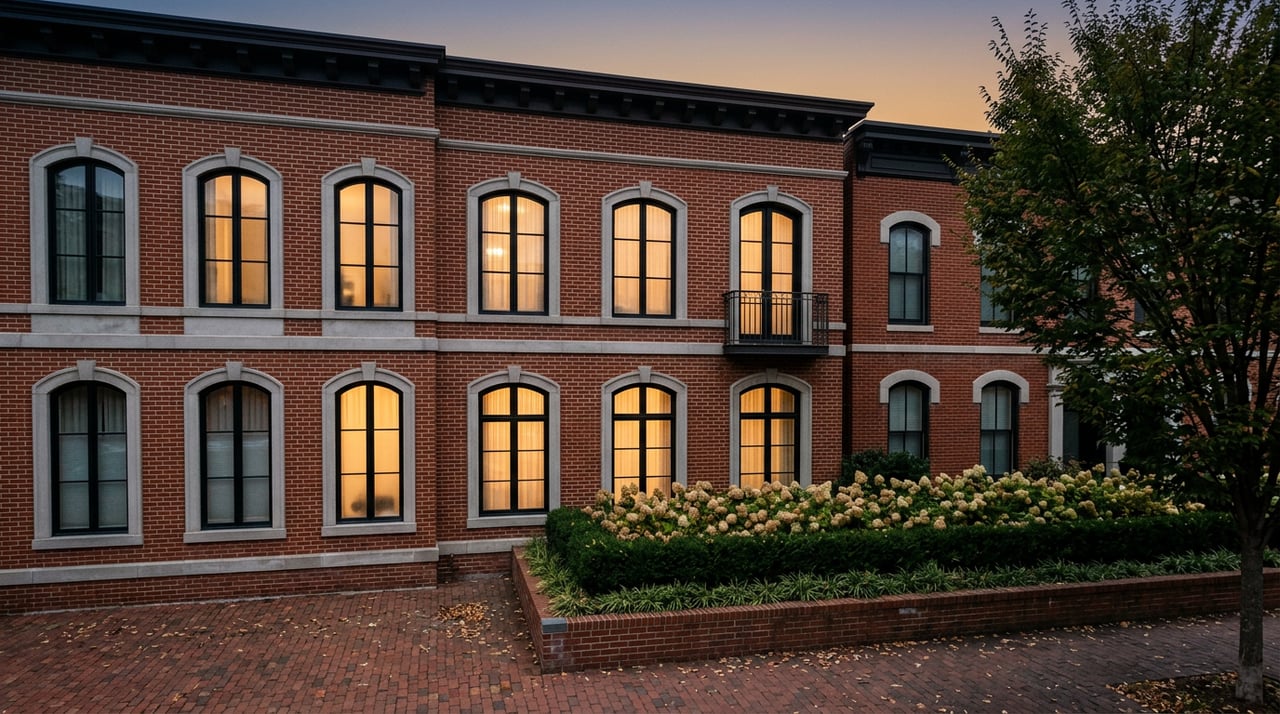
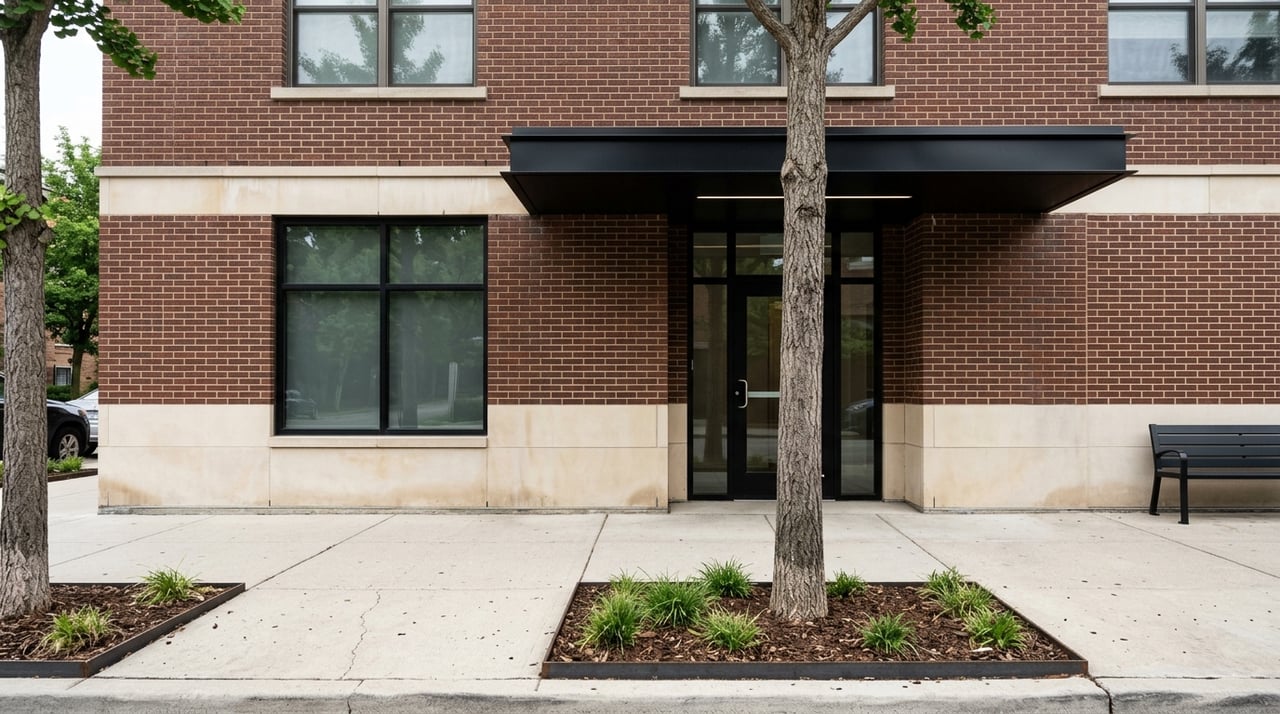
If you are shopping downtown, you will find a mix of property types rather than one uniform housing style. Downtown Indy Alliance’s housing directory includes apartment buildings, condo buildings, townhomes, loft-style properties, and search filters for features like bike storage and parking. That variety gives you room to match your home search to your routine.
Current examples listed by Downtown Indy include 946 MLK Apartments & Townhomes, Allen Plaza Condominiums, and Six Over Meridian Condominiums. Other examples help show the range of downtown living. Park 10 is a for-sale condominium and townhome community in Chatham Arch, CityWay offers 650 apartment homes, and Artistry includes 258 apartments plus commercial space and attached parking.
For buyers, this means your decision is not just about square footage or finishes. It is also about how a building supports the way you want to live. Bike storage, parking setup, proximity to the Trail, and access to transit can all shape how practical a car-light lifestyle feels day to day.
Tradeoffs to Consider Before You Move
A car-light lifestyle in downtown Indianapolis is realistic for some households, but it still comes with tradeoffs. Parking, storage, and car access vary by building, so one property may support your routine much better than another. That is why it helps to think beyond the unit itself.
This lifestyle tends to work best when your work, groceries, entertainment, and social plans are concentrated downtown or along the Cultural Trail and Red Line. If your routine regularly depends on destinations outside the core, a car or ride-share backup may still be useful. That does not mean downtown is not a fit. It simply means your version of car-light living should match your actual habits.
Before you buy or lease, it helps to ask practical questions like:
- How close is the property to the Cultural Trail or Canal?
- Is there secure bike storage?
- What kind of parking comes with the unit?
- How easy is it to reach groceries on foot or by bike?
- Is transit nearby for regular destinations?
- Will your weekly routine stay mostly in the downtown core?
Is Downtown Indy Right for You?
If you want a neighborhood where more of life can happen within a short walk, ride, or transit trip, downtown Indianapolis stands out. The Cultural Trail, Downtown Canal, transit hub, bikeshare system, grocery options, and dense entertainment scene all support a lower-car routine in a way that is still uncommon in much of the metro area.
The key is choosing the right home base. When your building, daily destinations, and transportation options line up, living car-light can feel practical rather than aspirational. If you’re weighing downtown condos, townhomes, or other urban properties in Indianapolis, Kelly Todd can help you evaluate not just the home, but how well it fits the way you want to live.
FAQs
Can you live car-light in Downtown Indianapolis 46204?
- Yes. Downtown Indianapolis is one of the few areas in the city where a car-light routine is genuinely realistic because of its compact layout, the Cultural Trail, the Downtown Canal, bikeshare, and transit access.
What makes the Indianapolis Cultural Trail useful for daily life?
- The Indianapolis Cultural Trail connects six cultural districts across 10 miles and links many common downtown destinations, making short trips more manageable on foot or by bike.
Is the Downtown Canal practical for everyday transportation?
- Yes. The Downtown Canal is a 3-mile promenade that is open year-round, free to use, and cleared of snow and ice in winter, which makes it useful for walking, biking, and recreation.
What transit options are available in Downtown Indianapolis?
- Downtown residents have access to the Julia M. Carson Transit Center and the IndyGo Red Line, which runs 13 miles through the city and operates every 15 to 20 minutes on weekdays and Saturdays.
Are there grocery options in Downtown Indianapolis for car-light living?
- Yes. Downtown grocery and convenience options include Whole Foods Market, Kroger, Needler’s Fresh Market, Walgreens, DGX, Abby’s Market, and Indianapolis City Market.
What types of homes support car-light living downtown?
- Downtown housing options include condos, townhomes, apartments, and loft-style properties, and some buildings offer features like bike storage or parking that can make a car-light routine easier.