Bidding wars in Fountain Square can move fast. You tour a home, fall in love with the front porch and walkable blocks, and by evening there are five offers on the table. It is exciting and stressful. You want to win without regrets. In this guide, you’ll learn how to structure a proven, competitive offer in Fountain Square while managing risk, timing, and budget. Let’s dive in.
Why Fountain Square sees multiple offers
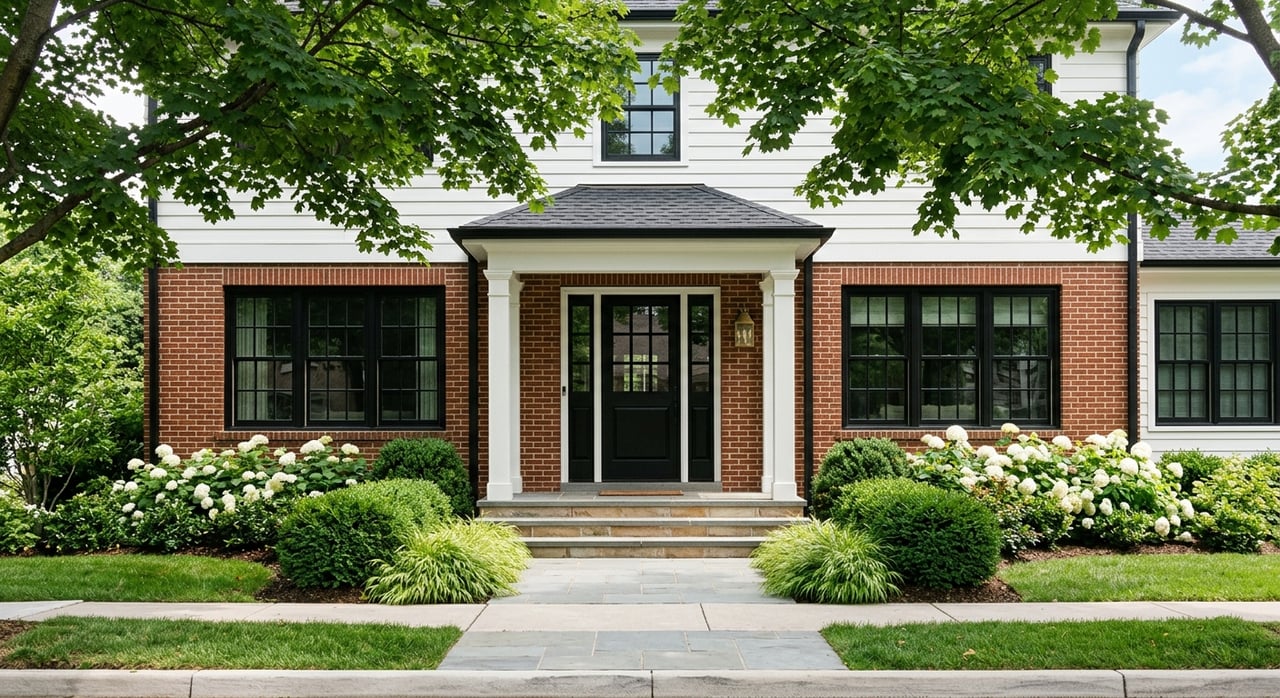
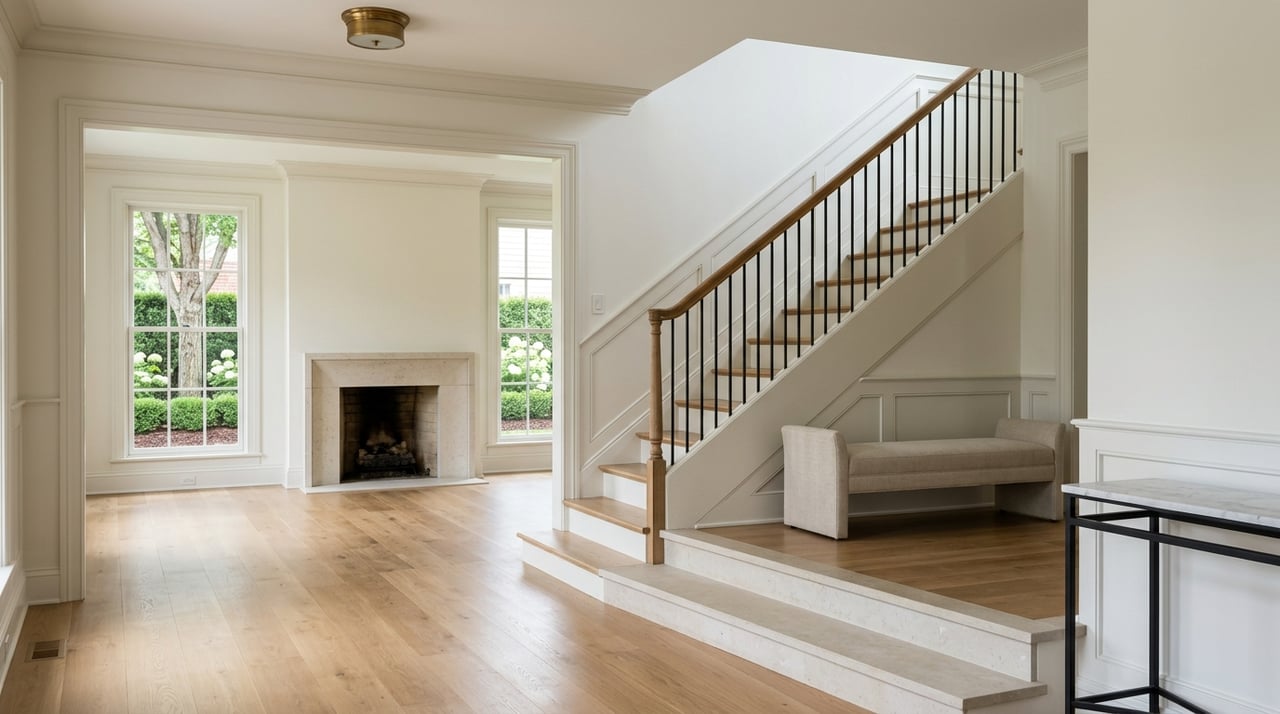
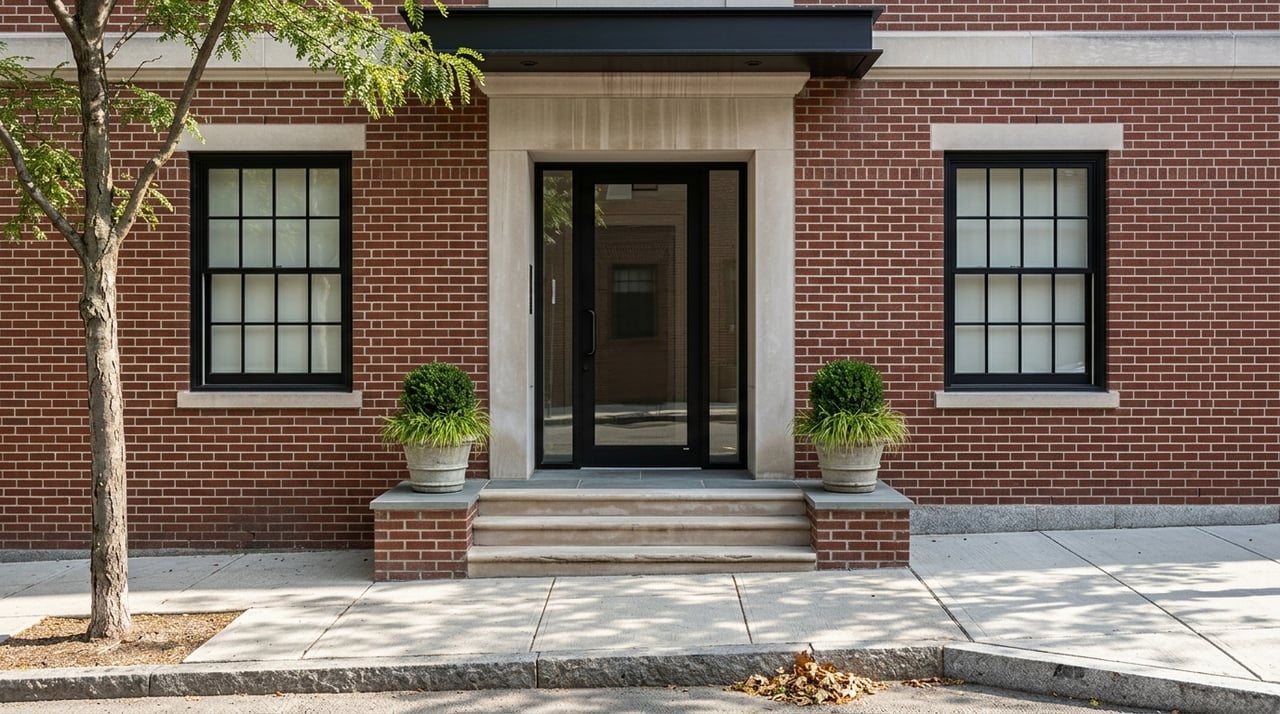
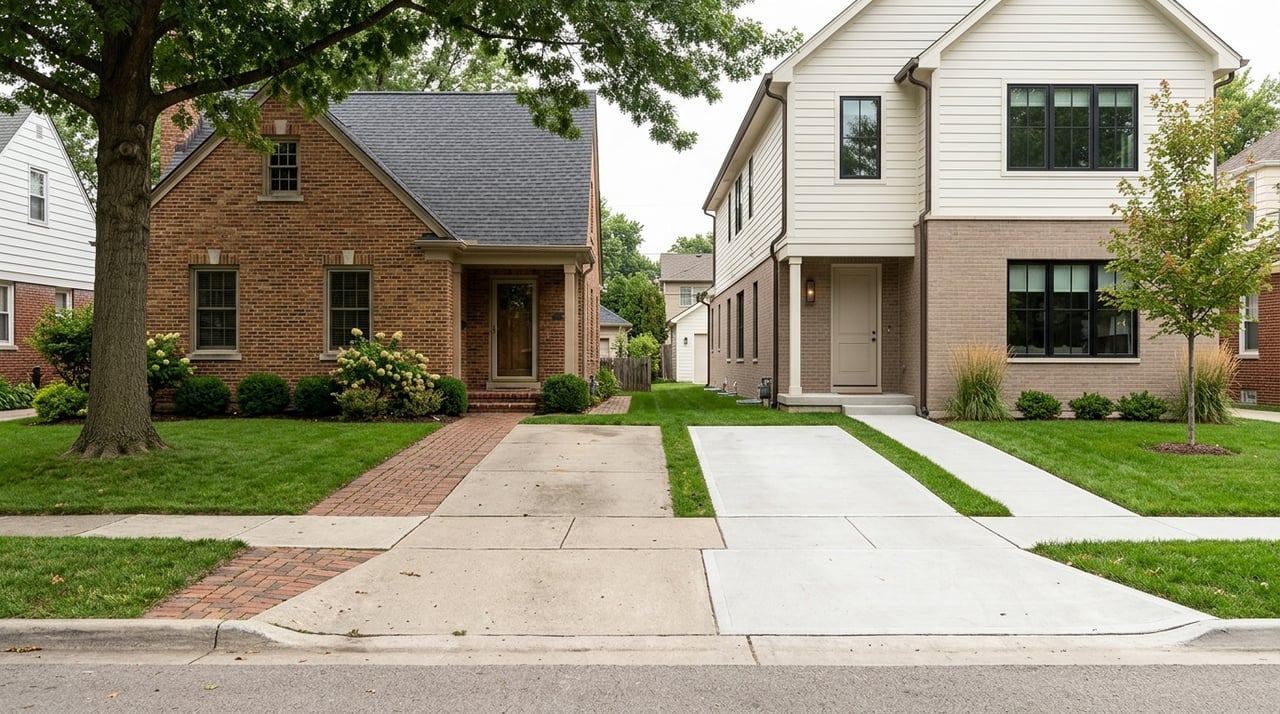
Fountain Square sits near downtown Indianapolis in Marion County, with walkable streets and a mix of historic homes and thoughtful renovations. Demand comes from location, culture, and easy access to employment centers. Home condition varies widely, from turnkey renovations to properties needing significant work. That mix influences both appraisal outcomes and inspection risk, which is why strong terms and smart protections matter when you compete.
Sellers here usually focus on four things: price, certainty of closing, timing, and reduced hassle. If you align your offer with those priorities, you increase your odds of acceptance without simply throwing more money at the list price.
Build a winning offer foundation
Strengthen your financing letter
Not all lender letters carry the same weight. A basic pre‑approval signals you are qualified, but it still depends on final verification and appraisal. A pre‑underwriting review is stronger because an underwriter has already vetted your income, assets, and credit, leaving appraisal and title as the main remaining steps. The strongest position is a clear‑to‑close, where all lender conditions are cleared aside from final closing logistics.
Aim for the best letter you can reasonably obtain. Include your lender’s name, loan officer contact, loan type, and language that spells out the level of review. This is one of the most cost‑effective ways to beat higher offers because it reduces the seller’s financing risk.
Show funds and signal commitment
Attach recent proof of funds for your down payment and closing costs. If you plan to cover an appraisal gap, show those reserves too. Sellers want to see that you can close.
Calibrate your earnest money to the market and your comfort level. Many buyers choose a meaningful amount, such as $1,000 to $5,000 or about 1 to 2 percent of the purchase price. Know how your contract handles earnest money, cure periods, and forfeiture so you understand your exposure.
Smart price strategy without overpaying
When to use an escalation clause
An escalation clause lets your offer automatically increase by a set amount over a competing bona fide offer up to a capped price. Your agent can structure the increment, cap, and proof requirements so the seller can verify a competing offer while keeping terms clean. Language should confirm that the escalated price becomes the contract price and that other terms stay the same.
Every tool has tradeoffs. Escalation clauses can reveal your pricing ceiling and push you above what you might otherwise pay. Some sellers prefer a simple, strong base price. Use escalation when it helps you compete without guessing too high and make sure the clause is drafted clearly.
Set a clear ceiling and keep terms simple
Decide your true walkaway number before you write. If you use escalation, pick a sensible cap and an increment that is easy to calculate. If privacy or proof language is a concern for the seller, consider a straightforward higher base price instead. A clean, complete offer that is easy to read can outshine a messy higher one.
Protect your position on appraisal and inspection
Appraisal gap language that works
Multiple offers can push contract prices above recent comparable sales, which increases appraisal risk. You can structure appraisal terms in several ways. Some buyers waive the appraisal contingency entirely, which is high risk. A more measured approach is a limited appraisal gap: you agree to bring cash to cover a shortfall up to a set amount, such as $10,000. You can also split responsibility or agree to renegotiate within a cap.
Know that your lender will base the loan on the appraised value. If there is a gap, you fund the difference in cash at closing. Pick a hard dollar cap that fits your reserves and discuss it with your lender during pre‑underwriting so everyone is aligned.
Inspection terms that keep you safe
You have options on inspections. A full inspection contingency with a defined window lets you negotiate repairs or cancel within that period. In competitive situations, shortening the inspection window to 3 to 5 days shows urgency while keeping protections. Some buyers consider as‑is offers, but waiving inspections is very risky unless you are fully prepared for unknowns.
A practical middle ground is to schedule a fast inspection the moment your offer is accepted, limit the contingency period, and focus on major systems and safety. You can also propose a credit or allowance instead of requesting a long list of repairs.
Timing, possession, and flexibility
Closing dates that appeal
Flexibility often wins. Align your closing date with the seller’s preferred timeline. With financing, many buyers close in 21 to 45 days depending on lender speed and appraisal scheduling. Cash or bridge financing can close faster.
Seller rent‑back basics
A short post‑closing possession, or rent‑back, can be compelling if the seller needs extra time to move. Define the daily rate, maximum days, and any holdback or insurance considerations in writing. Keep it short and clear to avoid confusion.
Your offer packet checklist
Prepare your documents before you fall in love with a home. A clean, complete package can tip the scales in your favor.
- Strong lender letter: pre‑underwriting or the best available pre‑approval with the lender’s contact and level of review.
- Proof of funds: down payment, closing costs, and any cash reserved for appraisal gaps.
- Signed buyer brokerage agreement if used locally.
- Purchase agreement, disclosures, and addenda: escalation clause, appraisal gap addendum, rent‑back terms as needed.
- Identification and all required signatures.
When ranking terms, prioritize clarity and seller appeal:
- Purchase price and any escalation cap.
- Financing strength and lender contact.
- Appraisal handling with a clear numeric cap.
- Earnest money amount and deposit timing.
- Inspection period length and any waivers.
- Closing date and possession plan.
- Other contingencies kept or waived.
- Proof of funds and closing agent, if requested.
- Short, clear addenda with response deadlines when appropriate.
Agent coordination also matters. Have your lender ready to speak directly with the listing agent. Include a succinct cover note that highlights how your terms match the seller’s priorities. Be ready to answer follow‑up questions quickly.
Playbook and timeline
Before you tour
Ask your agent to pull recent comparable sales and days on market for Fountain Square. Get pre‑underwriting if possible and prepare proof of funds. If allowable, line up a preliminary inspector so you can move fast on scheduling.
The moment you find the one
Submit a clean, complete offer during business hours when the listing agent is likely to review. If you use an escalation clause, ensure the language is precise and the proof standard is reasonable. Keep terms easy to verify, and make sure your lender is on standby to confirm strength if the seller calls.
If the seller counters
Price is not the only lever. You can adjust earnest money, shorten the inspection window, or bend on closing date to meet the seller’s goals. Use a capped appraisal gap to show commitment while limiting exposure. Keep communication open among you, your agent, and your lender so you can respond fast.
When to pause or walk away
Winning should never mean ignoring red flags. If an inspection reveals major structural or safety issues and the seller will not address them, reconsider. If the appraisal comes in far below the contract price and covering the gap would drain your reserves beyond your cap, step back. Unresolved title problems or tight financing timelines that a seller will not extend can also justify walking away.
Decision framework
Use this quick test before you sign:
- Can you absorb worst‑case documented costs, including repair estimates and an appraisal shortfall, within your plan?
- Does the home still look like a sound long‑term investment at the effective price?
- Is the seller’s timeline and contract flexibility acceptable for you?
- Are there legal or title issues that cannot be cleared by closing?
If any answer is no, either renegotiate protections or move on.
Local process notes for Indiana buyers
Most Indianapolis transactions use standard state or local REALTOR forms. These define contingency periods, remedies, and how earnest money is handled. Ask your agent to explain the form details and consider attorney review for any nonstandard language like unique appraisal waivers or rent‑backs.
Title work is completed by local title companies or closing attorneys. The listing agent may note preferred title partners; aligning with that choice can simplify logistics. Indiana sellers provide property disclosures. If a seller refuses to share basic facts about the home or prior repairs, proceed with caution.
Agency rules allow for different representation structures. Confirm who represents whom and whether any dual agency exists so you understand how information flows during negotiation.
Final thoughts
In Fountain Square, strong financing and clean, simple terms often beat messy higher offers. Focus on certainty, speed, and thoughtful risk controls rather than blanket waivers. Prepare your documents early, know your ceiling, and be ready to act the moment the right home hits the market.
If you want neighborhood‑level guidance, market comps, and disciplined offer strategy, connect with Kelly Todd for a focused plan to help you win the right home with confidence.
FAQs
What makes an offer stand out in Fountain Square?
- Strong pre‑underwriting, clear appraisal terms with a numeric cap, flexible timing, and a short inspection window often rise to the top because they reduce seller risk.
How much earnest money is typical in Indianapolis?
- Many buyers choose $1,000 to $5,000 or roughly 1 to 2 percent of the price, but you should calibrate the amount to the property, competition, and your risk tolerance.
Should I waive appraisal or inspection contingencies here?
- Full waivers are high risk; a capped appraisal gap and a shortened inspection period usually balance competitiveness with protection in multiple‑offer situations.
How fast can I close with financing in this area?
- Many financed purchases close in 21 to 45 days, depending on lender speed and appraisal scheduling; cash or bridge options can close faster.
What is a seller rent‑back and how does it work?
- A short post‑closing possession allows the seller to stay for a set period; define daily rate, maximum days, and any holdback or insurance details in a clear addendum.