Worried your dream home in Zionsville might appraise low after you win the offer? You are not alone. With a mix of historic village homes, newer subdivisions, and custom builds, values can be tricky to benchmark. In this guide, you will learn what an appraisal gap is, why it happens here, how lenders respond, and the smart steps you can take to protect your offer. Let’s dive in.
Appraisal gap, in plain English
An appraisal gap happens when the appraised value is lower than your agreed purchase price. The key point is simple: your lender bases the loan on the appraised value, not the contract price. If the appraisal is short, the gap often becomes your cash responsibility unless you renegotiate or have protective terms in your contract.
Appraisals are conducted by licensed appraisers who analyze recent comparable sales and adjust for size, condition, and features. Underwriters then use that appraisal to set your maximum loan amount based on your loan program’s loan-to-value rules.
How lenders calculate your loan
Lenders use a formula tied to loan-to-value, or LTV.
- Maximum loan equals LTV percentage multiplied by the appraised value.
- If the appraisal is low, the lender reduces the loan amount. Your planned down payment does not change what the lender will lend.
- If there is a gap, you can try to renegotiate, challenge the appraisal, bring the difference in cash, or use an appraisal contingency to cancel.
Possible outcomes include paying the difference, renegotiating price or terms, asking for a reconsideration of value, or cancelling if your contract allows it. Some loans may offer appraisal waivers in limited cases, but you should not count on a waiver in advance.
Why gaps happen in Zionsville
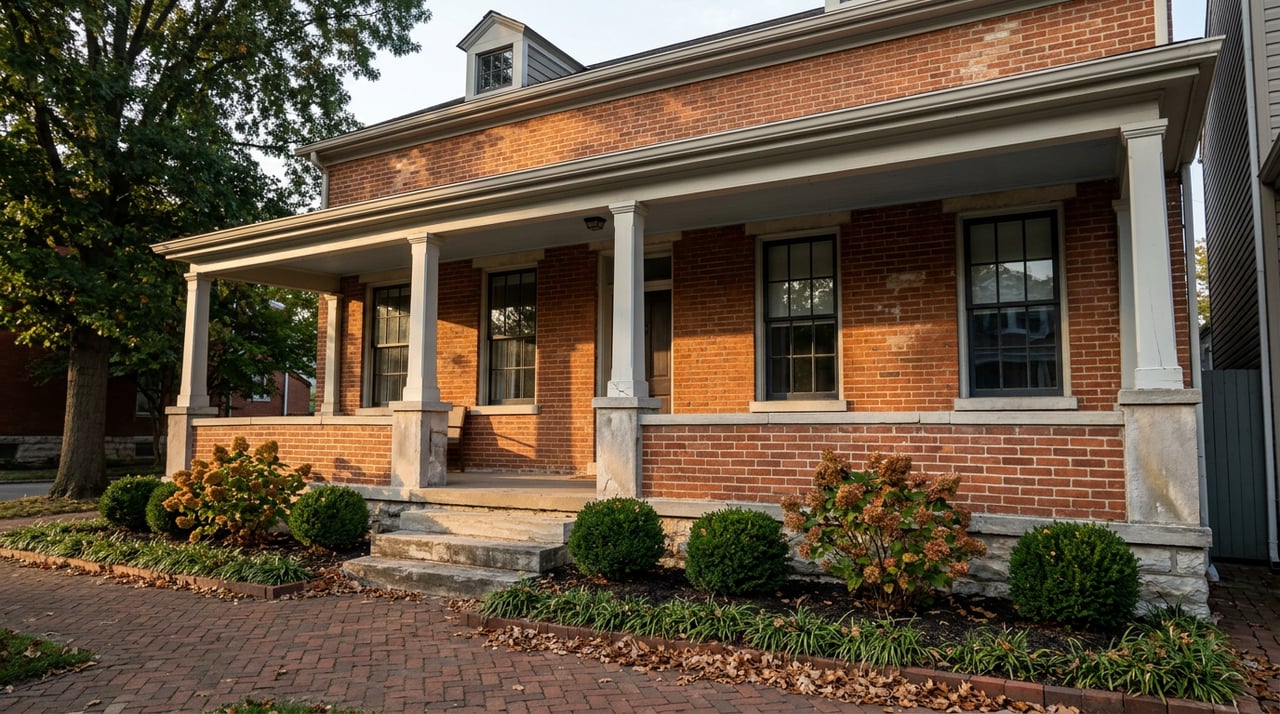
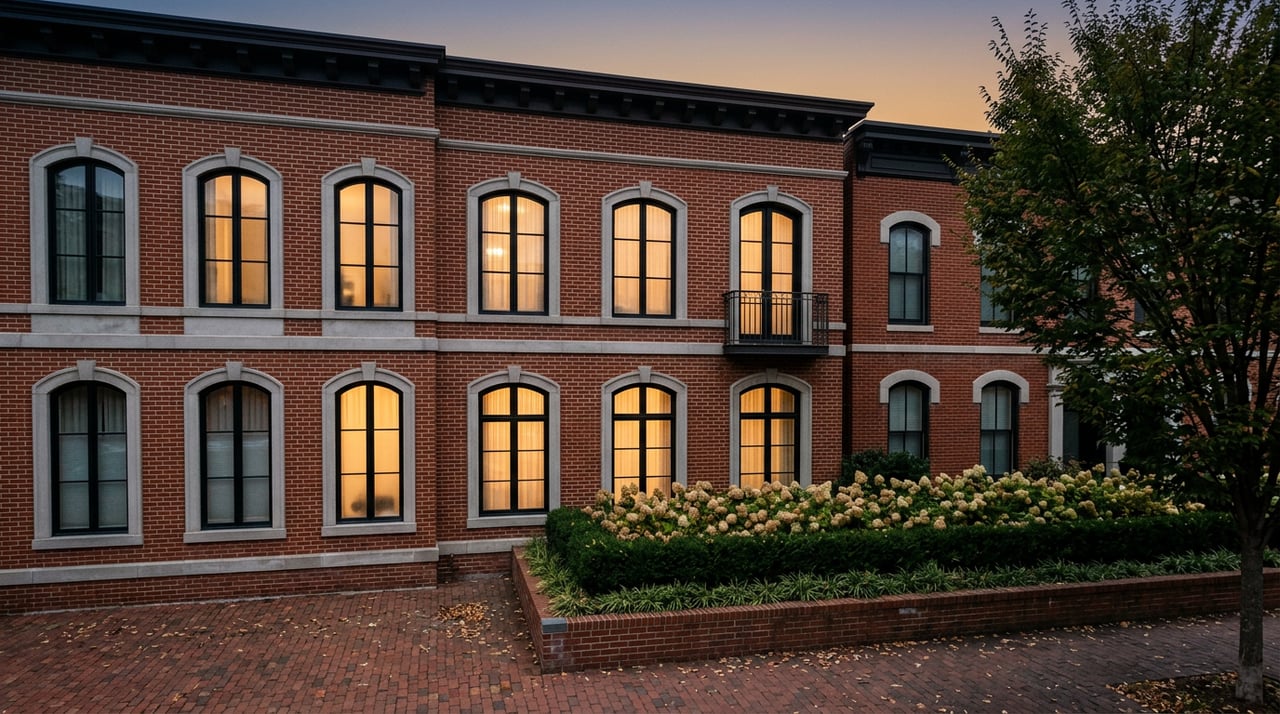
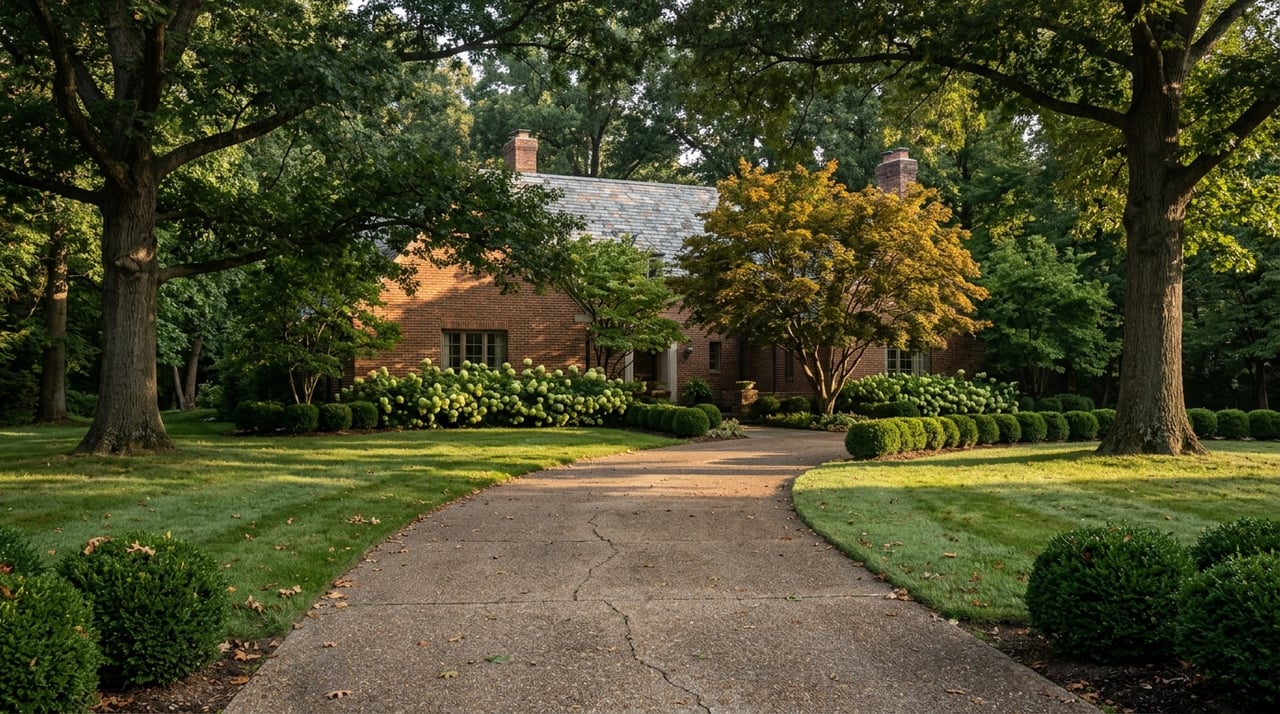
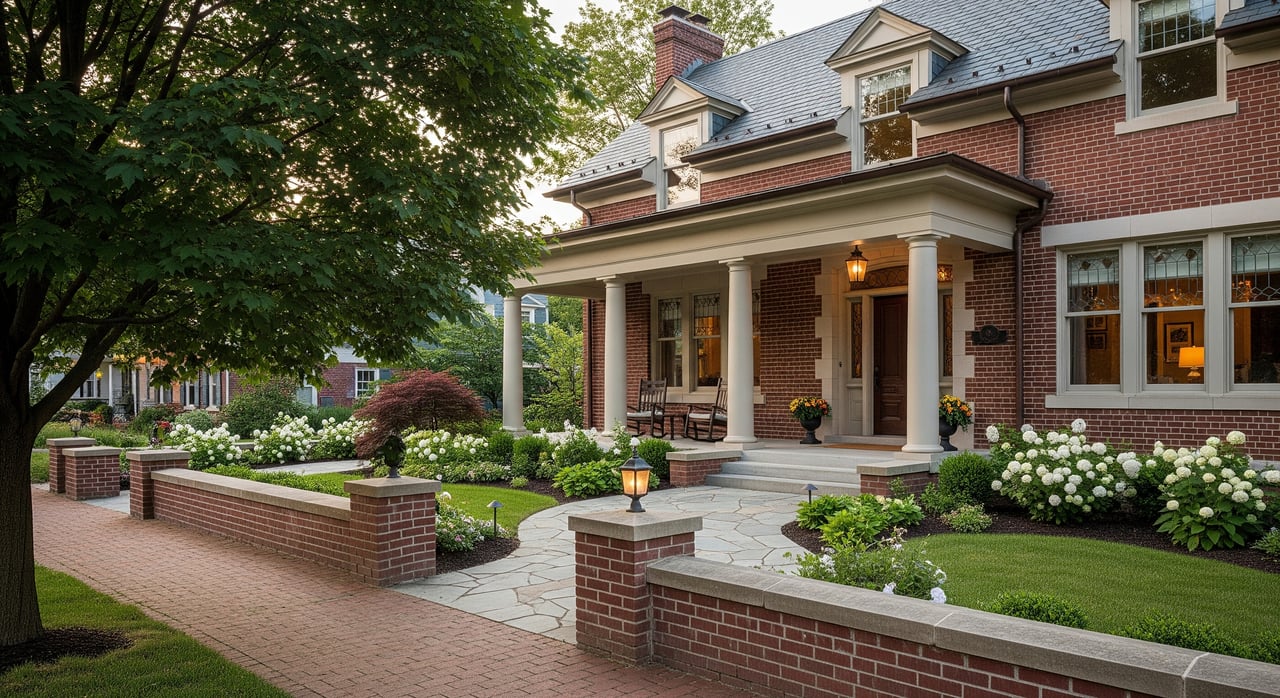
Zionsville and Boone County feature a mix of older homes near the Village, suburban single-family neighborhoods, and newer or custom construction. In areas with limited recent sales that closely match your target home, appraisers have fewer strong comps to work with. That can lead to conservative valuations.
Seasonal shifts, differences across neighborhood boundaries, and recent closings in new construction can also cause short periods where contract prices outpace the closed-sale data appraisers must rely on. Remember, appraisals are built on closed comparable sales, not tax assessments or list prices.
Steps to take before you write an offer
A little preparation can lower your appraisal risk and reduce surprises.
- Study recent closed sales from the last 30 to 90 days that closely match the home in size, style, and location.
- Ask the seller for a list of upgrades, permits, and receipts so you can present them to the appraiser later.
- Consider a pre-offer condition review so the appraisal is not adjusted down for overlooked issues.
- Get a strong pre-approval and verify your down payment sources. If you need to cover a gap, your lender will require proof of funds.
Smart contract tools to manage risk
The right contract strategy can keep you competitive while protecting your budget. Work with your agent to choose the approach that fits your comfort level and cash position.
Appraisal contingency
This standard contingency lets you renegotiate or cancel if the appraisal comes in low. It gives you protection, but in multiple-offer situations sellers sometimes prefer offers with more certainty.
Appraisal gap coverage clause
This addendum says you will pay a set amount above the appraised value, up to a cap. Two common versions:
- Fixed cap: you agree to cover up to a specific dollar amount.
- Percentage cap: you agree to cover up to a set percentage of the contract price.
Sample language for illustration: “Buyer agrees to make up the difference between the appraised value and the contract price, up to $______ in cash.” Be precise about whether the cap is dollar or percentage based and how any seller credits are treated.
Escalation clauses and risk
Escalation clauses can help you beat competing offers by increasing your price automatically up to a limit. They do not solve appraisal shortfalls; in fact, a higher final price can increase the chance of a gap. Pair an escalation with a clear appraisal plan.
Waiving the appraisal contingency
This is the strongest stance for a seller but the riskiest for you. If the appraisal is low, you must still close based on the lender’s maximum loan and bring the difference in cash. Only consider this if you fully understand your potential cash exposure and are comfortable with it.
Financing choices that can help
Financing structure affects how easily you can absorb a gap.
Larger down payment
A bigger down payment lowers your LTV. This gives you more cushion if the appraisal comes in low because the lender’s reduced loan amount may still fit your budget with less additional cash.
FHA and VA specifics
FHA appraisals include minimum property standards, and lower appraisals can trigger repair requirements or value limits. VA loans use a Certificate of Reasonable Value. If the CRV is lower than the price, the gap must be addressed by negotiation or extra cash. Because these programs often involve lower down payments, gaps can be more challenging for buyers.
Appraisal waivers
Automated underwriting systems sometimes grant waivers for certain properties and borrowers. Treat waivers as a bonus if offered, not as a strategy to plan on.
If the appraisal comes in low: your next steps
If you receive a low appraisal, act quickly and stay organized.
- Read the full appraisal for factual errors, such as square footage or bedroom count.
- Gather additional comparable sales and any upgrade evidence, then ask your lender to request a reconsideration of value.
- Negotiate with the seller. You might agree to a price reduction, a seller credit, or splitting the difference.
- Decide whether to bring extra cash or cancel, if your contingency allows.
- If appropriate and permitted by your lender, request a second appraisal.
Your lender controls the appraisal and reconsideration processes, so coordinate through your lender and communicate clearly with the listing agent.
What the math looks like by price point
Below are simplified examples that show how numbers can change when an appraisal is low. These are illustrative to help you see the mechanics.
Entry-level example: Purchase price 350,000; appraisal 340,000; 10 percent down. The lender funds 90 percent of 340,000, or 306,000. You would need to bring 44,000 total cash, which is 9,000 more than the 35,000 you planned.
Mid-range example: Purchase price 550,000; appraisal 525,000; 20 percent down. The lender funds 80 percent of 525,000, or 420,000. You would need 130,000 cash, which is 20,000 more than planned.
Upper-range example: Purchase price 900,000; appraisal 820,000; 25 percent down. The lender funds 75 percent of 820,000, or 615,000. You would need 285,000 cash, which is 60,000 more than planned.
In general, entry-level neighborhoods with many recent sales often see smaller gaps. Upper and custom segments with fewer true comps see wider swings. Custom finishes, unique lots, and recent renovations can increase the chance of a gap at any price.
Buyer checklist for competitive Zionsville offers
Use this quick list to prepare for a strong but protected offer.
- Ask for an itemized list of upgrades, permits, and recent comparable sales.
- Confirm your source of extra funds in case of a shortfall and share proof with your lender.
- Decide whether to include an appraisal gap clause and set a clear cap.
- Clarify the appraisal timeline and response deadlines in your contract.
- Align with your lender on reconsideration procedures and who submits comps.
- Keep receipts, photos, and documents that show value for the appraiser.
The bottom line
Appraisal gaps are manageable when you plan for them. Know how lenders calculate your loan, use contract tools that fit your budget, and prepare solid evidence of value. With the right strategy, you can stay competitive in Zionsville and still protect your cash.
If you want a calm, clear plan for navigating appraisals and negotiations, reach out to Kelly Todd. Our team pairs neighborhood-level insight with a disciplined process so you can move ahead with confidence.
FAQs
In Zionsville, what is an appraisal gap and why does it matter?
- It is the difference when the appraised value is lower than your contract price, and it matters because lenders base your loan on the appraisal, not the price.
How do lenders in a low appraisal situation set my loan amount?
- They apply your loan-to-value percentage to the appraised value, which can reduce the loan and increase your required cash at closing.
If a Zionsville appraisal is low, does the seller have to reduce the price?
- No. The seller is not required to lower the price; most outcomes involve renegotiation, added cash, or contract cancellation if allowed.
Can I challenge a low appraisal on a Zionsville home?
- Yes. You can request a reconsideration of value through your lender with better comparable sales and corrections for any factual errors.
Are appraisals the same as inspections when buying in Boone County?
- No. Appraisals estimate market value, while inspections focus on condition, defects, and safety issues.
Do cash offers eliminate appraisal issues in Zionsville?
- Cash removes lender requirements tied to appraisals, but buyers and sellers may still use an appraisal to inform value decisions.