Buying your first home in Fountain Square can feel exciting and a little tricky at the same time. You may love the neighborhood’s energy, historic character, and close-in location, but you also need to make smart choices about budget, condition, and timing. This guide will help you understand what first-time buyers should know before making a move in Fountain Square, from pricing and housing styles to inspections and tax planning. Let’s dive in.
Why Fountain Square Draws First-Time Buyers
Fountain Square sits about a mile southeast of downtown Indianapolis in Marion County. It is widely known for its arts scene, dining, vintage shops, nightlife, and connection to the Indianapolis Cultural Trail. The neighborhood also includes the Fountain Square Fountain, a 19th-century landmark tied to one of Indianapolis’ oldest neighborhoods.
For many first-time buyers, the appeal is simple. You get a neighborhood with a strong identity, a mix of residential and commercial spaces, and housing options that range from older homes with character to newer construction and multifamily properties.
It is also worth knowing that Fountain Square boundaries can vary depending on the source. Some maps show a tighter core area, while others use a broader southeast footprint. That means homes marketed as being in Fountain Square may sit in slightly different sections of the area, so it helps to confirm the exact location and surrounding context for each property you tour.
What First-Time Buyers Can Expect on Price
If you are starting your search, Fountain Square is generally more expensive than Indianapolis overall. Spring 2026 market data shows neighborhood pricing landing above citywide figures, which means first-time buyers should go in with realistic expectations.
Recent market trackers place Fountain Square’s median sale price at about $315,000. Median listing prices have been reported higher, including around $336,133 on Zillow and $366,500 on Realtor.com. Because each platform measures the market a little differently, a practical working range for many buyers is the low-to-mid $300,000s, with larger or fully updated homes often priced higher.
To put that in perspective, Indianapolis overall had median prices closer to the mid-$200,000s during the same period. In other words, buying in Fountain Square may mean paying a premium for location, character, and neighborhood appeal.
How Competitive the Market Feels
Fountain Square is not an extreme seller’s market right now, but it is not sleepy either. Current data suggests a market that sits between balanced and somewhat competitive.
That matters for first-time buyers because you may have more room to compare options than you would in a very fast market. At the same time, well-presented homes in strong locations can still attract serious attention. Median days on market have been reported between 76 and 97 days, while Zillow showed a median of 57 days to pending, so pace can vary depending on condition, pricing, and property type.
The takeaway is to stay prepared without rushing past your comfort level. You want to be ready to act on the right home, but not so eager that you stretch beyond your budget or overlook important inspection issues.
What Types of Homes You May Find
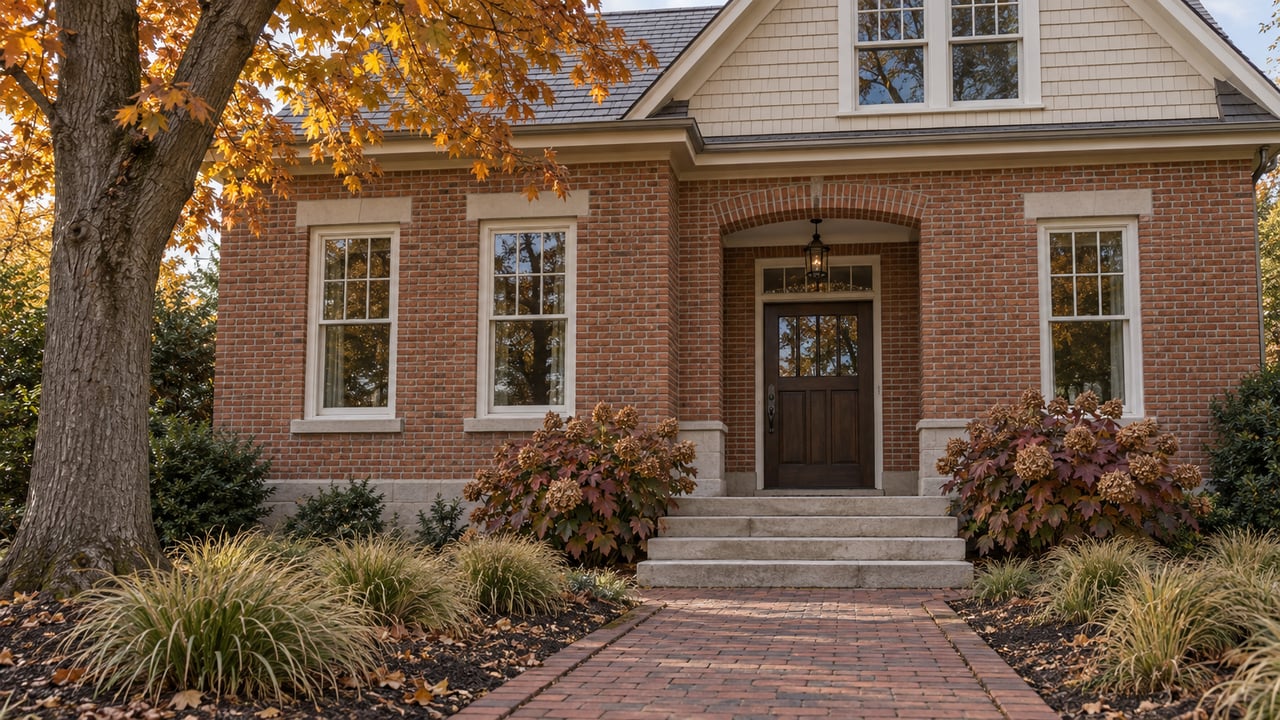
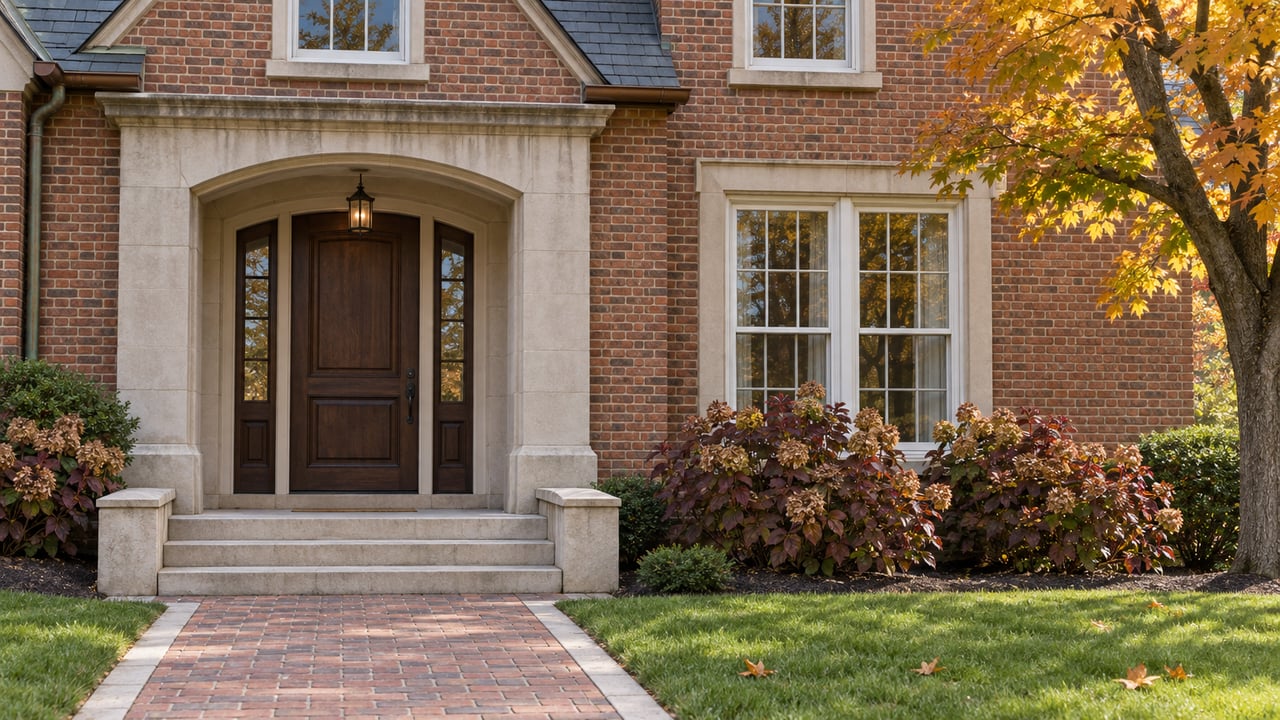
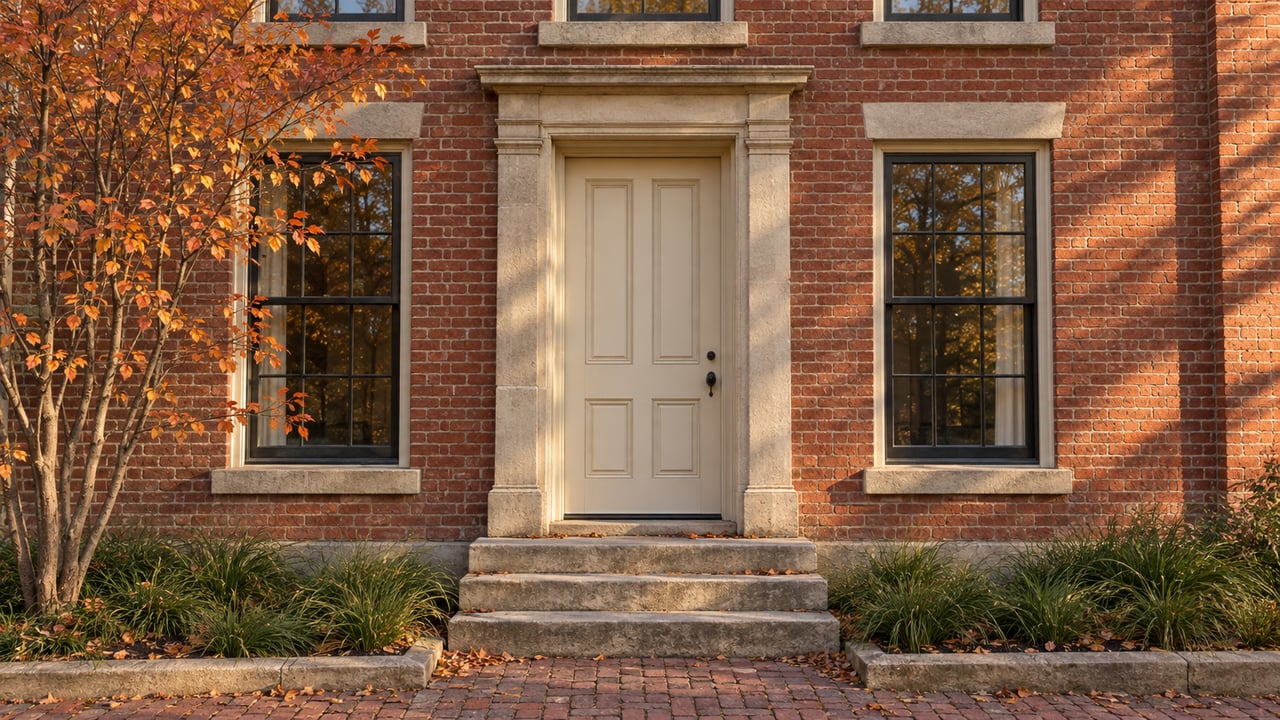
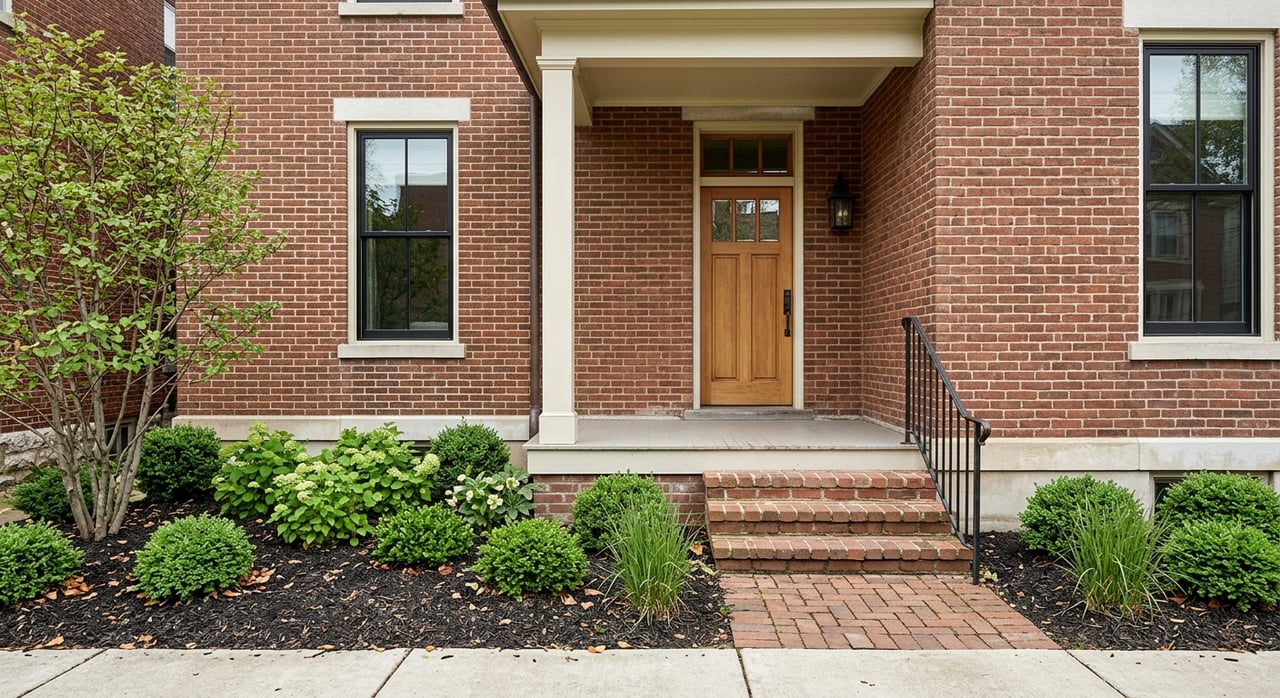
One of Fountain Square’s biggest strengths is variety. Current listings and search categories point to a mix of vintage homes, remodeled properties, single-story homes, townhouses, multifamily homes, new homes, land, and fixer-uppers.
That gives first-time buyers more than one path into the neighborhood. You might decide that a move-in-ready home is worth the higher price for peace of mind. Or you may prefer an older home with renovation potential if you are comfortable taking on updates over time.
Listings also show a wide price spread. Recent examples included a remodeled three-bedroom home around $320,000, a historic three-bedroom home around $510,000, and newer construction or multifamily options around $650,000. That range makes it especially important to define your must-haves early.
Set a Budget That Includes Repairs
In a neighborhood with older housing stock, your budget should cover more than the monthly mortgage. A smart first-time buyer plan includes room for repairs, maintenance, and inspection follow-up.
Before you start writing offers, decide on your hard maximum based on two numbers:
- Your comfortable monthly housing payment
- Your post-closing repair reserve
That second number matters. If you buy an older home and use every dollar on the down payment and closing costs, even a manageable repair can feel overwhelming. Giving yourself a cushion helps you buy with more confidence.
It also helps to choose your likely tradeoffs before the search gets emotional. You may need to rank factors like:
- Home size
- Parking
- Yard space
- Renovation level
- Walkability
When you know where you can flex, you are less likely to overreach just to win one house.
Why Inspections Matter More Here
In Fountain Square, older homes can offer great character, but they also require a careful eye. A fresh kitchen or updated paint color does not tell you much about the systems behind the walls.
A typical home inspection looks at major components such as electrical, gas, plumbing, roofing, insulation and ventilation, heating and cooling, foundation and crawlspaces, exterior grading, windows, and basements. That gives you a broad picture of the home’s condition, but it does not cover everything.
Depending on the property, you may also need specialists for issues such as:
- Pests
- Radon
- Asbestos
- Mold
- Lead
For first-time buyers, one of the best strategies is to schedule the inspection as soon as possible after going under contract. If you can attend, you will often learn much more than you would from reading the report alone. Inspection results can also help you negotiate repairs or decide whether to move forward, depending on your contract terms.
Lead Paint Is a Key Question in Older Homes
If you are considering an older Fountain Square home, lead-based paint should be part of your due diligence. The older the home, the more likely it is to contain lead-based paint, especially if it was built before 1978.
Indiana health officials note that homes built before 1980 make up a large share of the state’s housing and probably contain lead-based paint. That does not automatically make an older home the wrong choice. It simply means you should plan carefully and understand what safety measures or professional evaluation may be needed before renovations begin.
For a first-time buyer, this is where a renovation budget needs to be realistic. Cosmetic projects may not stay cosmetic if paint safety, system updates, or hidden age-related issues come into play.
How to Think About Affordability Long Term
A home can fit your purchase price and still strain your budget later if you do not account for taxes and upkeep. In Fountain Square, a strong affordability plan should look beyond the offer amount.
One key item is property taxes. In Indiana, a homestead deduction reduces assessed value and does not need to be reapplied for every year unless the property is sold or the title changes. The Indiana Department of Local Government Finance also notes that homestead property is subject to a 1 percent tax cap once the homestead deduction is in place, while other residential property is capped at 2 percent.
If you plan to live in the home as your primary residence, verify whether the homestead filing is in place and what the expected tax bill will be after closing. That step can make a meaningful difference in your true monthly cost.
A Practical First-Time Buyer Strategy
If you want to buy in Fountain Square without getting overwhelmed, keep your process simple and disciplined. The neighborhood offers real opportunity, but it rewards buyers who balance emotion with preparation.
A strong first-time approach looks like this:
- Set a firm price ceiling based on payment comfort, not lender maximums.
- Reserve cash for repairs and inspection-related surprises.
- Decide which home features are negotiable before you start touring.
- Compare each home’s condition, not just its style and finishes.
- Confirm the exact location, since Fountain Square boundaries may be described differently.
- Review tax expectations, including homestead status, before closing.
This kind of planning helps you stay calm and focused. It also makes it easier to recognize when a home is a good fit and when it is likely to become a budget headache.
Why Local Guidance Helps in Fountain Square
First-time buyers often need more than a list of homes. In a neighborhood like Fountain Square, you also need context on pricing, block-by-block feel, housing condition, and how to weigh charm against future costs.
That is where local guidance can make a real difference. A thoughtful buying strategy is not just about getting under contract. It is about helping you buy the right home for your budget, goals, and comfort level with repairs and maintenance.
If you are considering your first purchase in Fountain Square, working with a team that understands Indianapolis neighborhood dynamics can help you make a more confident decision from day one.
If you are ready to explore Fountain Square with a clear plan, Kelly Todd can help you evaluate your options, understand the numbers, and navigate the process with confidence.
FAQs
What is the typical home price for first-time buyers in Fountain Square?
- Spring 2026 market data suggests many buyers should think in the low-to-mid $300,000s as a practical starting range, though larger or fully updated homes may cost more.
Is the Fountain Square housing market competitive for first-time buyers?
- Current data points to a market that is balanced to somewhat competitive, which means you may have choices, but desirable homes can still move quickly.
What kinds of homes can first-time buyers find in Fountain Square?
- Buyers may find vintage homes, remodeled homes, townhouses, single-story homes, multifamily properties, new construction, land, and fixer-uppers.
What should first-time buyers inspect in older Fountain Square homes?
- A standard inspection typically reviews electrical, plumbing, roofing, heating and cooling, foundation, windows, basements, and more, but some homes may also need specialist inspections for radon, pests, asbestos, mold, or lead.
Why does lead-based paint matter in Fountain Square homes?
- Many older homes may contain lead-based paint, especially homes built before 1978, so buyers should account for possible testing, safety measures, and renovation costs.
How do Indiana property taxes affect a Fountain Square home budget?
- If the home will be your primary residence, the homestead deduction may reduce assessed value, and homestead property is subject to a 1 percent tax cap once that deduction is in place.