Have you ever walked past a grand Victorian on a tree-lined street and wondered what it would be like to call it home? If Old Northside has caught your eye, you are not alone. The neighborhood’s historic charm, central location, and deep preservation culture make it one of Indianapolis’s most distinctive places to live. In this guide, you will learn what ownership really looks like: the architecture you will find, how local preservation rules work, the incentives you can use, and the upkeep you should plan for. Let’s dive in.
Old Northside at a glance
Old Northside is a near-downtown historic district in Indianapolis with homes that largely date from the late 1800s through the 1920s. The National Register nomination documents the area’s core development in that period and helps explain why the architecture feels so cohesive and significant. You can explore the official description in the National Register documentation for the Old Northside Historic District.
The neighborhood’s preservation culture is supported by local institutions, including the Indiana Landmarks Center, which hosts programs and events that celebrate historic places. If you are new to historic ownership, reviewing Indiana Landmarks’ campus information is a helpful way to understand the community’s commitment to stewardship.
Homes and character you will find
If you buy in Old Northside, you are likely purchasing a home whose main form and details were built between about 1870 and 1925. Expect a mix of single-family Victorian houses, early apartment “flats,” carriage houses, and some sensitive infill. Many properties retain original interior woodwork, tall windows, and gracious staircases.
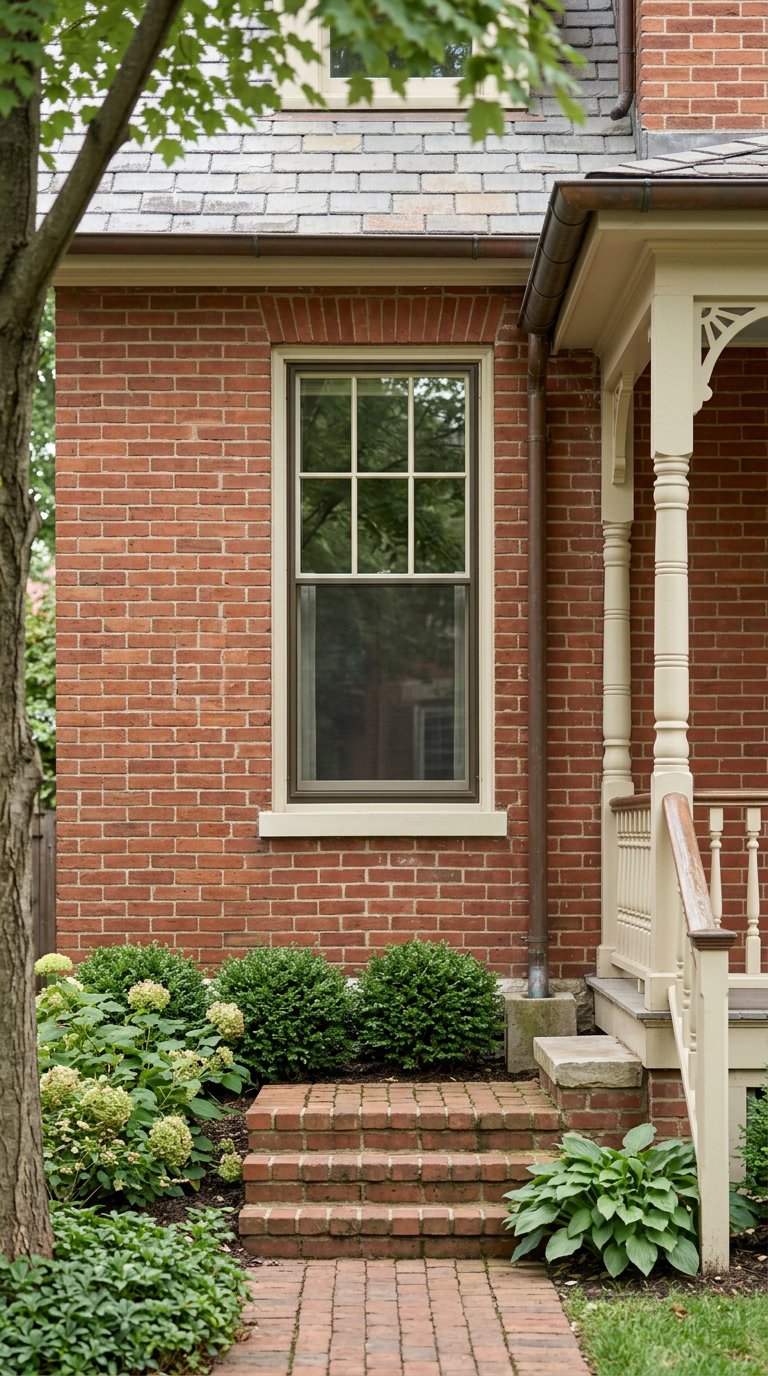
Common exterior features include wood porches with turned posts, carved brackets, bay windows, original sash windows, patterned rooflines, and historic masonry chimneys. You will also see brick foundations and walls, slate or historic shingle remnants, and decorative dormers. These details add beauty and value, but they also come with responsibilities.
Daily life here feels connected. Streets are typically lined with mature trees, and front porches sit close to the sidewalk, which encourages friendly waves and quick chats with neighbors. You are also close to downtown amenities, which makes dining, arts, and culture easy to reach.
How preservation review works
Old Northside is a locally designated historic district. That means most exterior work is reviewed by the Indianapolis Historic Preservation Commission (IHPC). In practical terms, if your project changes the visible exterior of your house or site, you will likely need a Certificate of Appropriateness (COA).
IHPC evaluates proposals against the Old Northside Historic Area Plan and design guidelines. Priorities include keeping historic roof shapes, preserving original window and door openings, and conserving porches, materials, and ornament. You can see how the city frames these expectations in the Old Northside Historic Area Plan.
It helps to understand the difference between National Register listing and local controls. Being listed on the National Register is an honor and can unlock certain incentives. It usually does not limit what private owners can do unless federal funding or permits are involved. Local IHPC designation is the layer that regulates exterior changes. You can read more in the National Register FAQs.
Expect a process. Simple in-kind maintenance may move quickly with staff review, while additions, new garages, or window replacements often require drawings and a public hearing. Build extra time into your schedule and talk to IHPC staff early in your planning.
Money matters: credits and help
A common question is whether you can use tax credits to offset costs. Owner-occupied homes usually do not qualify for the federal 20 percent rehabilitation tax credit, which is for income-producing properties. Indiana, however, offers a Residential Historic Rehabilitation Tax Credit for qualifying owner-occupied projects that meet program rules and standards.
The state program is administered by the Division of Historic Preservation & Archaeology (DHPA). Minimum expense thresholds and a formal application and certification process apply, and timing matters. Review current requirements on the Indiana DHPA historic tax credit eligibility page and contact DHPA before you start work.
Local non-profits can also be valuable partners. Indiana Landmarks offers education, technical guidance, and sometimes targeted assistance that can help you plan sensitive repairs and upgrades.
Maintenance realities and smart upgrades
Historic houses reward good stewardship. They also need consistent care. Below are the most common issues and best-practice tips so you can budget and plan with confidence.
Masonry and moisture
Historic brick and stone rely on the right mortar to let walls breathe. Using a hard, high-Portland cement mortar can trap moisture and damage the brick. The National Park Service explains appropriate mixes and methods in its repointing guidance.
Hire a contractor who understands historic repointing. Ask for mortar testing and sample panels that match color, joint profile, and tooling. Thoughtful masonry work can extend the life of your walls for decades.
Windows and doors
Your first option is usually repair, not replace. Original wood sash windows can be repaired, weatherstripped, and fitted with storm windows for strong energy performance while keeping historic character. The NPS provides practical steps in its wood windows preservation brief.
If you consider replacement, expect closer IHPC scrutiny and more documentation. Repairing and sealing existing windows, combined with storms, often costs less over time and preserves value.
Roofs and porches
Roof shape and porch details define the look of an Old Northside home. Inspect gutters and flashing regularly, keep paint systems intact, and address small leaks right away. Many owners plan for more frequent porch maintenance compared to newer construction.
When replacement is necessary, choose materials and profiles that maintain the historic appearance. IHPC staff can advise on material visibility and compatibility.
Electrical, plumbing, and safety
Very old wiring systems, limited amp service, and cloth-insulated conductors are common in houses built before the 1950s. A full electrical inspection and upgrades can improve safety and may be necessary for insurance or financing. The Electrical Safety Foundation offers a helpful overview of what to expect in an older home electrical system.
Assume lead-based paint in pre-1978 homes and use lead-safe practices during renovation. Federal rules require RRP-certified contractors for work that disturbs paint. The EPA outlines homeowner and contractor responsibilities in its Lead Renovation, Repair and Painting Program.
Energy and HVAC
Start with an energy audit and focus first on sealing and insulating attics and crawl spaces that are not character-defining. Many owners pair repaired original windows with storm units and targeted insulation to boost comfort without removing historic materials. The NPS shares smart strategies in its weatherization guidance for historic buildings.
If you add new systems like heat pumps or consider solar, design them to be minimally visible from primary streets. IHPC will evaluate placement and visibility along with materials.
Hazardous materials
Older homes can include materials like asbestos in tile or pipe insulation. Use qualified abatement professionals and follow state and federal rules. A careful plan can remove hazards while preserving as much historic fabric as possible.
Contractors, inspections, and timeline
Work with inspectors and contractors who regularly handle historic houses. Look for specialists in structural assessment, traditional masonry, window restoration, and mechanical retrofits that minimize interior demolition. Plan for added time to prepare drawings, respond to IHPC comments, and schedule any hearings.
If you are considering a sale or major refresh, a clear scope and timeline will help you avoid surprises. A pre-listing inspection focused on historic-house issues can be a smart move.
Buyer and seller playbook
Use this short list to keep your process on track.
- Confirm your district. Old Northside refers to the Indianapolis neighborhood in Marion County. If you meant the city of Marion in Grant County, the rules and contacts are different.
- Order a full home inspection plus an electrical inspection. Ask about the inspector’s experience with historic houses.
- Talk to IHPC staff early. Share a rough scope and ask what needs a COA, how long review might take, and what drawings are required.
- Explore state incentives. Review DHPA’s residential historic tax credit program and confirm application timing before you start work.
- Budget for specialists. Line items for masonry repointing, window repair, porch carpentry, and sensitive mechanical work are common.
- Plan your timeline. Simple in-kind maintenance may be quick. Additions, new garages, or window replacements often require several weeks to months for approvals.
- For sellers, consider targeted improvements. With the Kelly Todd Group’s process-driven approach and Compass Concierge funding, you can complete strategic pre-listing updates with minimal upfront cost to maximize market impact.
Is a historic home right for you?
Owning in Old Northside is about more than beautiful architecture. It is a commitment to stewardship, thoughtful upgrades, and collaboration with city preservation staff. In return, you get character-rich spaces, a central location, and a neighborhood that values its history.
If you are weighing the trade-offs, start with a clear plan. Define your goals, talk to local experts, and map your timeline and budget. When you are ready to take the next step, we are here to help you navigate every detail.
Ready to buy or sell in Old Northside and want expert guidance from a team that understands historic homes? Connect with Kelly Todd for a tailored plan that fits your goals.
FAQs
Do I need approval to replace windows in Old Northside?
- Yes. Because windows are character-defining, IHPC typically reviews replacements and may encourage repair and storm windows where feasible.
Are there tax credits for owner-occupied Old Northside homes?
- Federal credits generally do not apply to owner-occupied homes, but Indiana’s Residential Historic Rehabilitation Tax Credit may help if your project meets state rules.
How long do IHPC approvals usually take in Old Northside?
- Staff-approved maintenance can move quickly, while additions, new garages, or window replacements can add several weeks to a few months to your project.
What inspections should I order for a historic Indianapolis home?
- Schedule a full home inspection plus an electrical inspection, and plan for lead-safe practices and testing before disturbing painted surfaces.
Can I add solar panels or a heat pump in Old Northside?
- Often yes, if designed to be minimally visible from primary streets and consistent with IHPC guidelines on placement and materials.
Will insurance cost more for a 19th-century house?
- It can. Insurers may require electrical or plumbing upgrades and can flag active hazards before offering standard coverage.